In the digital era organizing a trip seems simple. Just open ChatGPT, ask for an itinerary, and in seconds receive detailed lists of attractions and restaurants. Thousands of blogs, forums, YouTube videos seem to offer all necessary information. Yet many DIY travelers return disappointed from vacations, stressed by improvised organization, frustrated by wasted time in avoidable queues, aware of having spent more than necessary in tourist trap restaurants or accommodations in inconvenient areas.
Reality is that creating a truly functional, personalized, efficient itinerary requires much more than superficial research or requests to artificial intelligences that completely lack direct field experience, updated knowledge, and ability to truly understand specific needs. A professional travel planner isn’t simply someone good at using Google, but an expert who has personally visited destinations, tested hotels and restaurants, experienced museum queues, discovered optimal timing, accumulated years of experience creating itineraries that work in practice.
The most devastating error is dramatic underestimation of real distances and times. Seeing on Google Maps that two attractions are “only” 30 km apart leads to thinking you can visit both comfortably. In reality, those 30 km might require two hours on winding mountain roads or with heavy traffic. A classic disaster is “Amalfi-Pompeii-Naples in one day”: looking at the map seems feasible, but the Coast has one winding road where summer traffic crawls, Pompeii requires at least three hours, reaching Naples and seeing something requires more hours. This unrealistic plan transforms the day into stressful hell.
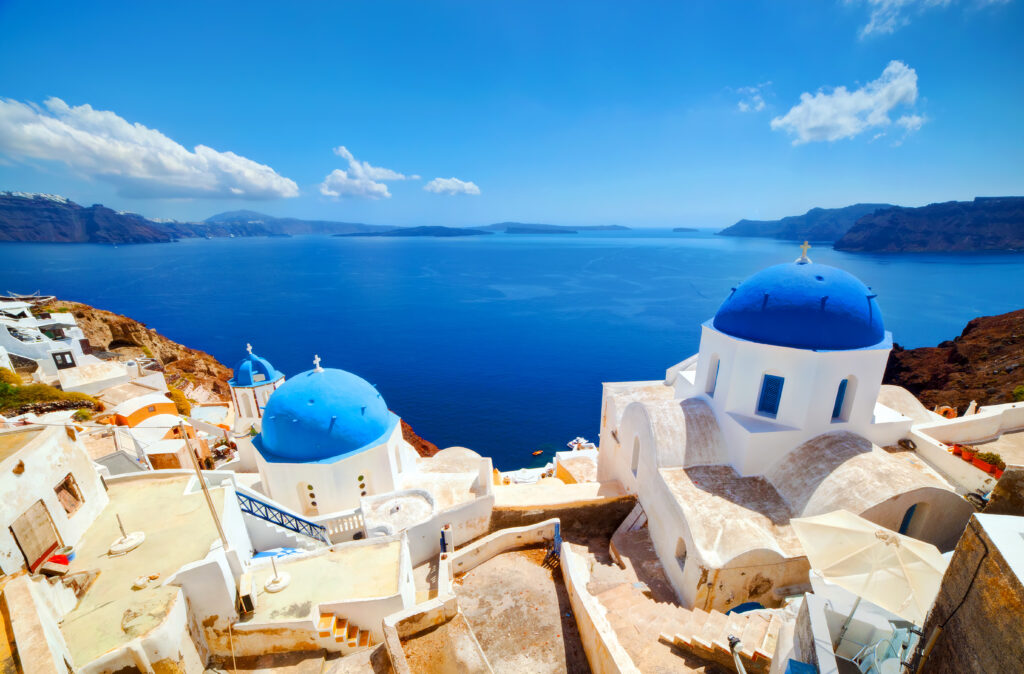
The second error is completely wrong timing. Museums aren’t open when Google says “9-5” but have weekly closing days, reduced seasonal hours, extraordinary closures, and last entry often one or two hours before closing. Arriving at 4:30 PM for museum closing at 5 PM means being turned away. Good restaurants require reservation days before, arriving without means ending in tourist traps with menus in eight languages and inflated prices. Hotels have check-in from 2-3 PM, arriving at 11 AM expecting to leave bags might not work. Outdoor attractions have completely different moments for crowding: Santorini at sunset is invaded by thousands of tourists, at dawn it’s deserted and magical.
The wrong area to stay is the third error impacting the entire vacation. Booking cheap hotel 15 km from center because it costs half means spending differences in transport, losing hours daily, losing the magic of truly living the city in the evening instead of calculating the last bus to return to suburbs. Every city has areas that seem central but are inconvenient, noisy, unsafe, or lacking atmosphere.
Budget out of control is the fourth problem. Without detailed budget item by item you systematically spend 30-50% more: attraction tickets summed cost much, restaurants in tourist areas have inflated prices, transport accumulates daily costs, unexpected costs always emerge (museum you thought free costs 20€, hotel parking 25€/day, mandatory reservation 15€ extra).
Total lack of plan B when something goes wrong is the fifth error. European transport strikes are frequent, bad weather ruins outdoor activities, extraordinary closures happen. Without studied alternatives vacation becomes series of stressful emergencies instead of relaxation. Reserved restaurants can close, hotels can overbook, flights can delay: navigating unforeseen events without experience transforms vacation into continuous stress.
The sixth error is inability to distinguish authentic attractions from tourist traps. TripAdvisor is manipulable, top Google results are sponsored, Instagram shows hyper-photographed places in reality disappointing and overcrowded. That “typical” restaurant near main square is where no local would go, while the trattoria ten minutes away frequented by residents offers better food at lower prices but you don’t find it online because it lives on local clientele.
The seventh error is underestimating organizational stress that ruins pleasure. You spend evenings planning next day instead of relaxing, wake up stressed thinking about everything to fit together, fight with companions about different unaligned priorities, return more tired than when you left. Vacation should be complete disconnection, not part-time organizing job.

ChatGPT and other AI rapidly generate structured texts listing attractions and restaurants. The fundamental problem is that these itineraries derive from statistical patterns from internet texts, not from direct experience or real understanding.
First critical limit: data not updated. ChatGPT-4 has cutoff January 2024, so any subsequent change doesn’t exist for AI. The suggested restaurant might have closed three years ago, the museum indicated “open 9-6” might have changed hours, the “recently renovated” hotel might refer to 2015.
Second problem: AI doesn’t know real traffic, actual queues, practical times. When it says you can visit three museums in morning because they’re “15 minutes apart”, it makes geographic calculation not accounting for crowded streets, hour-long entry queues without reservation, actual time needed to visit decently. AI doesn’t know Amalfi Coast in August is open-air parking lot, Venice in certain periods is impractical due to crowds, Rome has ZTL zones making car movement impossible in historic center.
Third limit: all AI suggestions are generic derived from tourist guides, SEO-optimized blogs, TripAdvisor. AI will systematically suggest most obvious attractions (everyone visits them so hyper-documented), most reviewed restaurants (the most touristic since locals don’t review online their usual places), hotels with most web visibility. Cannot suggest hidden trattoria without website living on local word-of-mouth, little-known extraordinary museum, beach frequented only by residents.
Fourth problem is total lack of direct experience. AI hasn’t walked those streets discovering areas unbearable in heat while others have pleasant shade, hasn’t tried that route that seemed feasible requires steep stairs impossible with luggage, doesn’t know that “picturesque” neighborhood in evening isn’t recommendable, hasn’t discovered that magical moment to visit that attraction is an hour before closing when crowds leave.
Fifth limit: AI isn’t capable of authentic personalization. When you say “I’m 65 and can’t walk much”, it modifies output eliminating attractions and adding generic phrases, but has no real understanding of what it means to organize trip for physical limitations. Doesn’t know that museum has unreliable elevators, that neighborhood requires walking on cobblestones, that attraction has bathrooms only on third floor without elevator, that sequence still requires too much standing time.
Finally, AI can generate physically impossible itineraries. Can suggest Cinque Terre and Portofino same day from Florence because on paper distances seem manageable, without considering slow regional trains, multiple changes, significant walks, result of entire day running stressed seeing everything poorly. Can propose dining at 6:30 PM in Italy where restaurants don’t open before 7:30 PM, visiting museum requiring weeks-advance reservation as if spontaneous, reaching island with ferries that don’t exist in that season.

A professional travel planner has invested years personally traveling, testing destinations, accumulating irreplicable practical knowledge, developing skills deriving only from repeated direct experience.
Direct experience means having physically visited proposed destinations, not once but repeatedly, in different seasons. Has walked those streets discovering which pleasant and which to avoid, tested transport understanding real limits, visited attractions experiencing queues and optimal timing, slept in different areas understanding which offer best comfort-atmosphere balance, eaten in dozens restaurants distinguishing authentic from traps not on reviews but direct trials.
The travel planner knows real traffic, actual queues, practical timing. Knows Eiffel Tower requires weeks-advance reservation and still involves hour security checks, so cannot be inserted thinking to “pass quickly”. Knows Amalfi Coast in July-August has road where you advance at 15 km/h, so route Google estimates 40 minutes requires two-three. Knows Venice during Carnival is so crowded that walking San Marco to Rialto requires triple normal time.
Really knows where to eat well avoiding traps not on TripAdvisor but direct experience and local contact networks. Has personally tested restaurants, understands which serve authentic food, knows right prices, knows how to recommend appropriate to sought experience. Can say with certainty “avoid restaurants around Piazza Navona” because tried directly, can suggest “walk ten minutes toward Trastevere, go to this trattoria” because ate personally knowing excellent food, authentic atmosphere, honest prices.
Direct knowledge of hotels and neighborhoods allows recommending not on official stars or manipulable reviews but concrete experience. Has slept in different areas understanding which truly convenient, which have authentic atmosphere, which hotels have good quality-price ratio, where it’s safe to walk evening. Prevents errors like booking apparently central areas that are inconvenient, noisy, or lacking local life.
Knows tricks to avoid queues and optimize visits learned only with experience. Knows Louvre is less crowded Wednesday evening extended hours, Versailles should be visited at opening or late afternoon avoiding 11-3 when buses unload thousands tourists, many museums have secondary entrances with shorter queues, booking online doesn’t always guarantee quick entry.
Authentic personalization capacity derives from real listening and experience with different clients. When client says “traveling with two small children”, concretely understands what this implies: frequent breaks, child-friendly attractions, family-welcoming restaurants, spacious hotel rooms, relaxed timing, varied activities. Completely reconstructs the itinerary, not simply eliminating “unsuitable” attractions.
Foresees problems and prepares plan Bs because experience teaches that unforeseen events always happen. Includes weather alternatives (interesting indoor activities), transport strikes (alternative ways to move), unexpected closures (second choice for each day), full restaurants (tested alternatives same area). This preparation transforms unforeseen events from disasters into adjustments managed serenely.

A professional itinerary is complete document representing fruit of experience, deep knowledge, accurate planning.
Includes day-by-day hour-by-hour planning building logical optimized sequences maximizing time, minimizing useless movements, respecting real hours, accounting for predictable crowding, creating sustainable rhythms balancing intense activities with breathing moments.
Includes precise maps with optimized routes showing exactly how to move between points, which metro/buses to use, where to walk, what to see along way, where public bathrooms, ATMs, pharmacies. Specifies when convenient to walk and when instead use transport.
Provides exact addresses of everything: suggested restaurants (name, address, cuisine, price range, if reservation needed), hotels or accommodation areas (specific neighborhood, why convenient, connections), attractions with precise address. This eliminates “where exactly is that thing” and losing time searching basic information.
Specifies updated hours for each attraction, weekly closing days, last entry if different from closing, any extended hours specific days. Includes crucial info: “Monday closed, mandatory online reservation 1 week before, audioguide included, recommended visit 2 hours”.
Includes precise costs allowing realistic budget: attraction entries with updated prices and available discounts, transport costs (daily passes, single tickets, when convenient one vs other), suggested restaurant price ranges (economical 10-15€, medium 20-30€, high 40€+), parking if applicable, any hotel tourist taxes.
Provides precise indications on reservations with direct links to official sites (not aggregators adding commissions), explanations on which ticket type to buy (base, skip-line, with audioguide, combined passes), how far in advance to book to guarantee availability.
Includes insider tips distinguishing generic itinerary from one based on direct experience: best moment to visit each attraction (dawn to avoid crowds, evening for magical light, Wednesday because fewer tourists), best photo angles, what absolutely not to miss and what can be skipped if limited time, where to buy food/drinks at local prices instead of tourist, local traditions to respect.
Includes complete budget breakdown item by item: accommodation, transport, attractions, meals, extras. This allows complete financial control preventing surprises of spending much more than expected.
Specifies realistic timing with margins: museum visits with actual necessary time (not underestimated), movements with margin for unforeseen (traffic, delays), strategic breaks (not 8 consecutive hours), buffers between activities (not dinner 7 PM if last activity finishes 6:30 PM other side of city).

On HorizonRoutes.com we offer two solutions: ready PDF itineraries for popular destinations in durations 2-3-4-5 days (weekend/city break) and 7-10-13 days (complete trips), immediately downloadable, and personalized consultation for specific needs.
Ready itineraries have been personally tested, optimized through direct experience, regularly updated. Perfect for couples, friend groups, families with average rhythms seeking complete efficient visit. Main advantage: immediate availability – purchase PDF and receive everything instantly. Each itinerary includes detailed planning, precise maps, exact addresses, updated hours, detailed costs, reservation links, insider tips, budget breakdown, realistic timing.
Personalized consultation is ideal for: reduced mobility, specific interests (photography, food and wine, architecture), complex groups, multi-destination trips, very specific budgets.
Process starts with detailed questionnaire on who travels, when, what seeks, how, budget. Follows videocall 30min-1h depending on complexity where we discuss everything, propose ideas, align expectations. Real human dialogue with who has walked streets, lived destinations – not generic chatbots.
We develop complete draft applying experience to respond to your needs. Service includes revision rounds to perfect. Final professional PDF document with all elements, created specifically for you.
Fundamental difference: real direct experience of people who have lived destinations, not algorithms. When we suggest arriving Balos by 9 AM it’s not because “read online” but because we’ve been at 9 (deserted) and at noon (invaded), so we concretely know the difference.
Organizing unforgettable trip requires direct experience, deep knowledge, authentic personalization, dedication to creating itineraries that work maximizing every precious moment. The difference between well-planned trip and improvised one is between returning enriched, relaxed, happy with wonderful memories, and returning stressed, disappointed, with feeling of having wasted time and money.
A professional travel planner with direct experience represents smart investment that repays through time saved, money optimized, stress eliminated, enormously superior quality of experience. Not superfluous luxury but practical tool transforming potential organizational disasters into fluid, pleasant, memorable trips.
On HorizonRoutes.com you’ll find optimized ready itineraries for popular destinations in durations 2-3-4-5-7-10-13 days, created by who has personally visited each place, tested every suggestion, optimized every detail. For specific needs, we offer completely custom consultation with questionnaire, videocall, personalized drafts, revisions.
Don’t leave vacation to chance, ChatGPT generic lists, or stressful improvisation. Trust who has direct experience, truly knows destinations, knows how to create itineraries transforming mediocre trips into extraordinary experiences you’ll remember forever.
Discover ready itineraries and personalized consultation on HorizonRoutes.com. Your best vacation starts with right planning!