Summer represents the ideal time to broaden your horizons beyond European Union borders and discover fascinating destinations combining ancient cultures, breathtaking landscapes, and authentic experiences far from traditional European tourist circuits. Non-EU cities offer a unique opportunity to immerse yourself in completely different realities, where ancient history meets modernity, where colorful markets smell of exotic spices, and where local hospitality transforms every trip into an unforgettable adventure.
This selection of the top 10 non-EU cities for summer has been designed for travelers seeking destinations capable of amazing, moving, and culturally enriching, while maintaining safety standards, adequate infrastructure, and interesting value for money. From Marrakech’s exotic atmospheres to Dubai’s futuristic skyscrapers, from Istanbul’s millennial traditions to Mauritius’s paradise beaches, each destination has been selected for its uniqueness and ability to offer memorable experiences during summer months.
Istanbul is probably the world’s only city that literally straddles two continents, with one foot in Europe and one in Asia, separated by the magnificent Bosphorus flowing majestically dividing and uniting cultures, traditions, and millennial histories. This metropolis of over 15 million inhabitants represents an overwhelming experience where Ottoman mosques stand beside Byzantine churches, where traditional markets coexist with ultramodern shopping centers, and where the call to prayer mixes with the joyful chaos of urban traffic creating a unique and unrepeatable symphony.
The Sultanahmet district encompasses the city’s historic heart and concentrates some of the Islamic and Byzantine world’s most iconic monuments. The Blue Mosque impresses with its six minarets and 20,000 turquoise ceramic panels covering the interior creating breathtaking light plays, while the nearby Hagia Sophia, first a Christian basilica then mosque and finally museum returned mosque, tells 1,500 years of history through its Byzantine mosaics and Islamic calligraphies coexisting in the same sacred space. The Topkapi Palace, Ottoman sultans’ residence for over four centuries, offers a glimpse into imperial luxury and power through its sumptuous harems, priceless treasures, and pavilions overlooking the Bosphorus with views that have inspired generations of poets and artists.
The Grand Bazaar represents a total sensory experience going far beyond simple tourist shopping. This covered labyrinth of over 4,000 shops distributed across 61 internal streets is one of the world’s oldest and largest markets, where since the 15th century they’ve traded Persian carpets, colorful Turkish lamps, hand-worked silver jewelry, fragrant spices arranged in chromatic pyramids, precious fabrics, and traditional ceramics. Getting lost in its alleys means time traveling, haggling prices with expert merchants who transform every sale into a social ritual made of mint tea and endless conversations, and discovering hidden corners where artisans still work with techniques passed down through generations.
The Bosphorus cruise is absolutely essential to truly understand Istanbul’s grandeur and beauty. Sailing the strait dividing Europe and Asia allows admiring the city from a completely different perspective, observing Ottoman palaces overlooking the water, medieval fortresses that controlled ship passages, historic wooden villas called “yalı” representing Turkish nobility’s status symbols, and the three bridges connecting two continents creating continuous connections between different worlds. At sunset, when the sun colors mosque domes gold and red and minarets stand against the sky, Istanbul reveals all its timeless magic.
The Beyoğlu district and famous Istiklal street represent the city’s cosmopolitan and modern soul. This nearly two-kilometer pedestrian street pulses with life day and night with its international shops, contemporary art galleries, historic bookstores, patisseries serving traditional Turkish sweets, restaurants offering fusion cuisine, and nightclubs where Istanbul’s youth gather to dance electronic music or listen to live jazz. The Galata Tower, built by Genoese in the 14th century, offers a breathtaking 360-degree panoramic view of the city.
Summer in Istanbul brings warm temperatures between 25-35°C but the seaside position guarantees pleasant breezes, especially in coastal areas. The city lives a vibrant season with music festivals, open-air concerts in historic mosque courtyards, film screenings in public gardens, and a packed cultural calendar celebrating Turkish tradition’s richness. Rooftop restaurants offer romantic dinners with views of the illuminated Bosphorus, while traditional Turkish baths (hamam) provide relief from heat with their cleansing and relaxation rituals handed down for centuries.
Turkish cuisine in Istanbul deserves a dedicated trip. From authentic kebabs served in small neighborhood lokanta to elaborate mezze at refined restaurants, from stuffed börek eaten for breakfast to very sweet baklava enjoyed with dense aromatic Turkish coffee, every meal becomes a cultural experience. Fresh grilled Bosphorus fish served with fresh salads, eggplants prepared in dozens of different variations, pistachio and rosewater sweets, and çay (Turkish tea) drunk in small tulip-shaped glasses accompany daily Istanbul life creating moments of conviviality and pleasure.
Budget estimate: 50-80€ per day for budget traveler, 100-150€ for mid-range comfort, 200€+ for luxury. Direct flights from Italy available with low-cost and traditional carriers at competitive prices especially booking in advance.
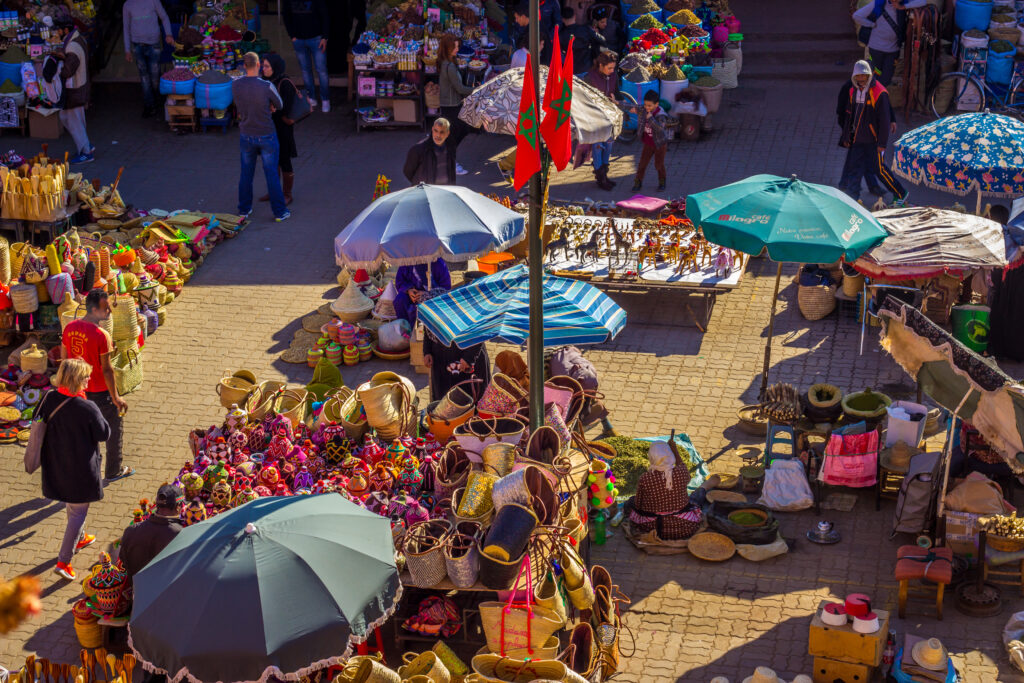
Marrakech, called the Red City for the characteristic color of its rammed earth constructions that at sunset light up in pink and golden shades, represents a magical gateway to the Arab-Berber world and a sensory experience involving sight, smell, hearing, and touch totally. Located at the foot of Atlas mountains providing a spectacular backdrop visible from many city points, Marrakech preserves its millennial authenticity intact despite becoming a world-famous tourist destination thanks also to celebrities’ and artists’ passion who chose it as creative refuge.
Jemaa el-Fna Square represents the medina’s beating heart and one of the planet’s most fascinating street shows, declared UNESCO Oral and Intangible Heritage of Humanity. During day the square hosts snake charmers hypnotizing cobras with traditional flutes, fresh orange juice vendors squeezing on the moment, henna tattooists decorating hands and feet with intricate designs, gnawa musicians playing traditional African instruments, and street vendors offering spices, dried fruit, and handcrafted objects. At sunset the square transforms completely when dozens of food stalls mount their improvised kitchens filling the air with spicy scents of tajine, couscous, meat skewers, snails boiled in aromatic broths, and honey sweets, while surrounding rooftop restaurants offer panoramic views of the show below illuminated by thousands of lights.
Marrakech’s souks form a hypnotic labyrinth of covered alleys where each quarter specializes in different trades handed down through generations. The dyers’ souk colors the air with cloths hung to dry in every imaginable shade, the tanners’ souk offers the ancient spectacle of leather worked by hand in stone vats filled with natural substances (with an unforgettable pungent smell), the blacksmiths’ souk resonates with rhythmic hammering on metals becoming elaborate lamps, engraved trays and Berber jewelry, while the spice souk smells of cumin, saffron, ras el hanout, dried mint, and clay for traditional soaps. Haggling is an integral part of the experience and should be lived as a social game accompanied by mint tea and conversations building relationships beyond simple commercial transaction.
Gardens represent oases of peace in the city’s chaos and are fundamental to escape summer heat. The Majorelle Gardens, created by French painter Jacques Majorelle in the ’20s and later restored by Yves Saint Laurent who made it his Moroccan refuge, amaze with their intense cobalt blue used for fountains, vases, and architecture, surrounded by giant bamboo, palms, cacti, flowering bougainvillea, and exotic plants collected from around the world creating fresh shaded microclimates. The Menara Gardens, much larger and less touristic, offer quiet walks among centuries-old olive groves around a reflecting pool with a Saadian pavilion perfectly framing the snow-capped Atlas mountains visible in distance.
Riads, traditional Moroccan houses renovated and transformed into boutique hotels, represent the perfect accommodation choice to completely immerse in Maghreb atmosphere. Organized around internal courtyards with central fountains, panoramic rooftop terraces, zellige decorations (geometric mosaics), carved woods, elaborate stucco and Berber fabrics, riads offer oases of tranquility in medina chaos with abundant breakfasts served on roofs in shade of Berber tents, mint tea available all day, and owners functioning as local guides suggesting authentic experiences far from tourist circuits.
Summer in Marrakech is decidedly hot with temperatures easily exceeding 35-40°C between July and August, but heat is dry and bearable especially moving in cooler hours and seeking coolness in shaded gardens, riads with rooftop pools, and air-conditioned cafés. June and September offer milder temperatures (28-33°C) maintaining all summer season advantages. Evenings are pleasantly cool thanks to typical desert thermal excursion, perfect for outdoor dinners and walks in illuminated medina.
Excursions to Atlas or toward Sahara desert greatly enrich the Moroccan experience. A day trip to Ouzoud waterfalls allows seeing wild Berber monkeys and refreshing under spectacular water falls, while Atlas Berber villages show authentic rural lifestyle among cultivated terraces and traditional earth architecture. Agafay desert, just one hour from Marrakech, offers a taste of desert experience with dinners under stars in luxury tented camps and sunset camel excursion possibilities without pushing to Merzouga dunes.
Budget estimate: 40-70€ per day for budget traveler, 80-120€ for mid-range comfort, 150€+ for luxury riads. Direct flights from Italy frequent and convenient, Marrakech reachable in 3-4 hours from Milan or Rome.
Cape Town, nestled between imposing Table Mountain and blue waters of two meeting oceans, represents one of the planet’s most spectacular and fascinating cities. This multicultural metropolis at Africa’s southern tip combines breathtaking natural landscapes with complex stratified history, world-famous vineyards, paradise beaches, rapidly rising gastronomic scene, and cosmopolitan energy making it an unmissable destination for those seeking beauty, adventure, and African authenticity with Western comforts.
Table Mountain, flat mountain dominating the city with its 1,085 meters altitude, is Cape Town’s undisputed symbol and offers one of the world’s most recognizable urban scenarios. The rotating cable car ascending to summit in just 5 minutes gifts spectacular views during ascent, while from panoramic platform atop you enjoy 360-degree view embracing city, infinite ocean, Robben Island in distance, and surrounding mountains. Hiking trails leading to summit via various routes (Platteklip Gorge most direct, Skeleton Gorge most scenic) attract trekking lovers willing to climb on foot taking 2-4 hours to reach summit earning even more gratifying views. The “tablecloth” phenomenon, when white clouds literally cascade from flat summit creating spectacular effect, is a natural show locals consider as if mountain were wearing its tablecloth for special occasions.
The V&A Waterfront, completely redeveloped maintaining historic port architecture, is Cape Town’s pulsing tourist heart with international shops and local boutiques, harbor-facing restaurants where seals play among boats, Two Oceans Aquarium showing incredible South African marine biodiversity, artisan markets where local artists sell contemporary African artworks, and Zeitz MOCAA, contemporary African art museum housed in restructured grain silo with avant-garde architecture become one of continent’s most important museums. From here also depart boats to Robben Island, prison-island where Nelson Mandela spent 18 of his 27 detention years and today is UNESCO heritage visitable with tours guided by ex-political prisoners telling touching stories of anti-apartheid struggle.
Bo-Kaap, historic Malay quarter perched on Signal Hill slopes, explodes with colors with its vivid-painted houses (pink, green, blue, yellow) creating vibrant palette perfect for Instagram photos. This Muslim neighborhood, inhabited by descendants of slaves brought from Indonesia and Malaysia in 17th-18th centuries, preserves strong cultural identity with historic mosques, spiced fragrant Cape Malay cuisine (bobotie, sosaties, koeksisters), and tranquil atmosphere contrasting with frenetic city center. Cobblestone streets climb steeply offering panoramic city and harbor views.
Camps Bay, Cape Town’s most glamorous beach, extends with finest white sand at foot of Twelve Apostles, dramatic peaks rising directly from sea creating spectacular scenery. Tree-lined promenade is flanked by chic restaurants, trendy bars, and cafés where Capetonians gather for sunset aperitifs watching sun dive into Atlantic. Water is decidedly cold (14-18°C) due to Benguela current from Antarctica, but place’s beauty and lively atmosphere amply compensate. Clifton, with its four numbered beaches separated by giant granite boulders, offers more wind-sheltered alternatives equally scenic, frequented by models, surfers, and South African jet-set.
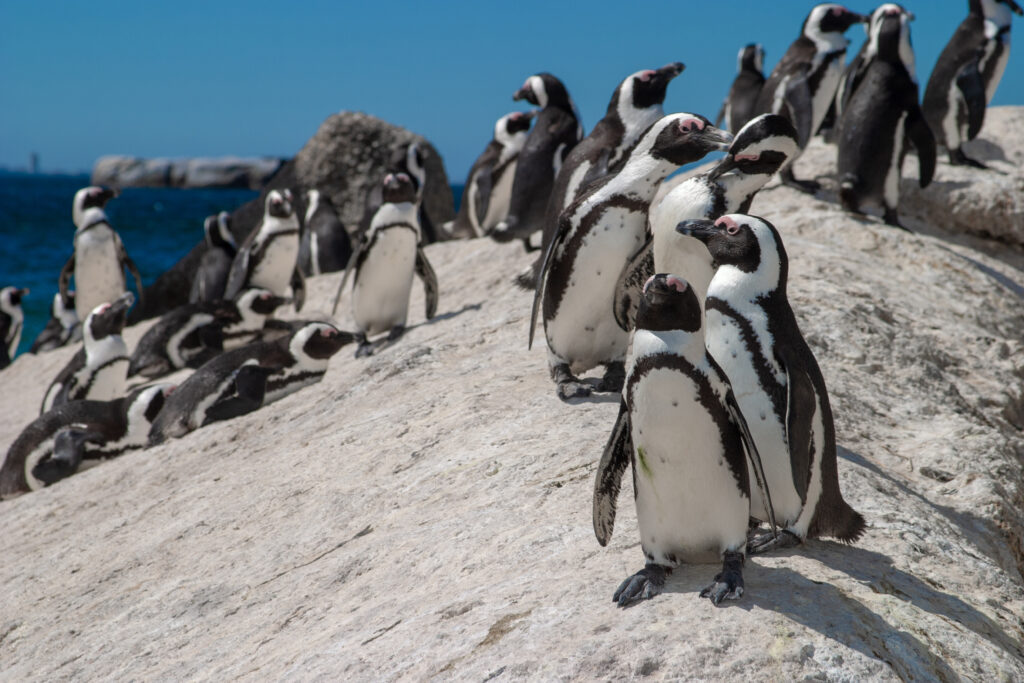
The Cape Peninsula deserves an entire day exploring along Chapman’s Peak Drive, one of world’s most spectacular coastal roads winding between ocean and mountain gifting breathtaking panoramic curves. Boulders Beach hosts protected African penguin colony (Spheniscus demersus) swimming, nesting, and strutting on sand allowing adorable close encounters with these endangered charismatic birds. Cape Point, within Table Mountain National Park, marks point where Atlantic Ocean symbolically meets Indian Ocean (geographically they meet further east at Cape Agulhas, but Cape Point is more dramatic and visited), with trails leading to historic lighthouse perched on vertiginous cliffs beaten by very strong winds and giant waves crashing on rocks below.
The Winelands, just 45 minutes from Cape Town, comprise historic towns Stellenbosch, Franschhoek and Paarl surrounded by rolling vineyards producing internationally recognized excellent wines. Cape region produces world-class wines (especially Chenin Blanc, Pinotage, Shiraz) thanks to unique terroir, ideal Mediterranean climate, and 350 years wine tradition begun by Dutch settlers. Wine estates offer tastings in spectacular settings with white Cape Dutch architecture with thatched roofs, perfect gardens, starred restaurants, and vineyard views framed by dramatic mountains. A day of wine tasting paired with gourmet lunches represents unmissable South African experience.
Summer in Cape Town (December-February in southern hemisphere) brings pleasant temperatures 20-28°C, long sunny days, occasional winds called “Cape Doctor” cleaning air, and ideal season for beaches and outdoor activities. However, precisely because austral summer coincides with European winter, flights and accommodations cost more and city is more crowded with international tourists fleeing northern winter. Months of November, March and April offer still excellent temperatures (18-25°C) with less crowding and lower prices, perhaps representing best period to visit balancing climate and convenience.
South African cuisine is delicious melting pot reflecting country’s multicultural history. Braai (South African barbecue) is social institution where boerewors (spiced sausages), steaks, sosaties (marinated skewers) are grilled while drinking local beer. Cape Malay dishes like bobotie (spiced meat gratinated with egg) and bunny chow (hollowed bread filled with curry) tell Asian influence. Cape Town restaurants, many with internationally trained chefs, offer innovative fusion cuisine using African ingredients with modern techniques, while food markets like Woodstock’s Neighbourgoods Market allow tasting local and international specialties in informal lively atmosphere.
Safety requires attention and common sense as in many large cities. Avoiding certain areas after sunset, not showing valuables ostentatiously, using Uber rather than walking at night, and following advice from locals and hotel staff keeps risks minimal. Main tourist areas (Waterfront, City Bowl, Camps Bay, Constantia) are generally safe and well patrolled, while township tours with certified guides allow visiting areas like Langa and Khayelitsha safely better understanding complex social reality of post-apartheid South Africa.
Budget estimate: 50-80€ per day for budget traveler (backpacker, local food, shared transport), 100-150€ for mid-range comfort in 3-4 star hotels with car rental, 200€+ for wine estate luxury, resorts and top restaurants. Favorable South African Rand (ZAR) makes Cape Town accessible for European budgets. Flights from Italy require one stop (often Istanbul, Doha, Dubai), total duration 13-16 hours.
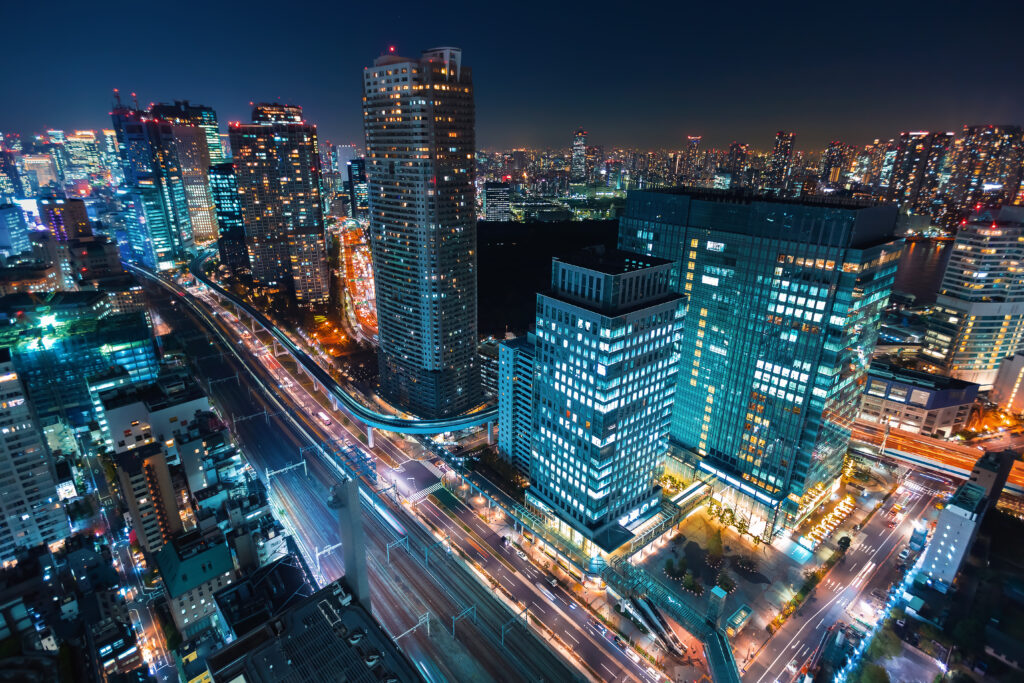
Tokyo, with its 14 million city inhabitants and over 37 million in metropolitan area, represents the planet’s largest megacity and an urban experience challenging any Western comparison. Here the hypertechnological future coexists harmoniously with millennial Shinto temples, futuristic skyscrapers stand beside traditional low wooden house districts, robots serve coffee in futuristic locals while few blocks away geishas cross cobblestone alleys toward centuries-old teahouses. Tokyo is order, cleanliness, efficiency taken to extreme, Japanese courtesy bordering on ritual, and a service culture making every interaction a memorable experience.
Shibuya district represents pulsing heart of young modern Tokyo. The famous Shibuya Crossing, world’s busiest pedestrian crossing where up to 3,000 people cross simultaneously at each traffic light cycle creating an involuntary choreographic spectacle, has become an icon of Japanese urban frenzy and location for countless films and photo shoots. Surrounding skyscrapers host vertical shopping centers where each floor offers themed shops, restaurants of every Asian cuisine, game centers where Japanese spend hours perfecting rhythm game skills or winning giant stuffed animals from UFO catcher machines, and free panoramic observatories from which to admire the city extending infinitely.
Harajuku and Omotesando offer perfect contrast between youth streetwear and international high fashion. Takeshita Street, Harajuku’s main street barely 3 meters wide, overflows with vintage shops, underground Japanese brand boutiques, kawaii (cute) themed cafés serving giant pancakes decorated like animals, and sweet crepe vendors filled that Japanese teenagers eat strolling between shops. The nearby Meiji Shrine, immersed in a forest of 100,000 trees planted precisely to create this green oasis in metropolis heart, offers silence and spirituality steps from commercial chaos, with traditional Shinto ceremonies held daily and traditional Japanese weddings photographing under giant torii.
Asakusa preserves pre-modern Tokyo atmosphere with its famous Senso-ji Temple, the city’s oldest founded in 645 AD. The temple approach passes through Nakamise, a 250-meter covered street flanked by over 90 shops selling traditional souvenirs, hand-painted fans, kimono and yukata (summer kimono), traditional Japanese sweets like dorayaki and mochi, and salty snacks like senbei (rice crackers) cooked on the spot. The temple, with its giant red lantern and five-story pagodas, remains an active spiritual center where faithful practice purification rituals, burn incense to ward off evil spirits, and draw fortune predictions (omikuji) then tied to courtyard trees.
The Toyosu fish market, successor to famous Tsukiji, offers the unique experience of attending dawn tuna auctions (mandatory advance booking) where prized specimens are sold at stratospheric prices, and consuming unbeatable quality sushi in market restaurants where chefs prepare nigiri with fish literally bought half an hour before. Quality, freshness, and Japanese fish preparation mastery reach levels here difficult to replicate elsewhere.
Shinjuku and Shiodome districts show vertical Tokyo of skyscrapers. The Tokyo Metropolitan Government Building offers free panoramic observatories on 45th floor with 360-degree city views and, on clear days, snow-capped Mount Fuji on horizon. Shinjuku’s Golden Gai, a maze of narrow alleys hosting over 200 tiny 4-6 seat bars each, represents intimate and nostalgic side of Tokyo nightlife where conversing with bartenders speaking little English but communicating with smiles and generously poured sake.
Summer in Tokyo brings hot humid temperatures (28-35°C) with occasional monsoon rains, but also spectacular traditional festivals. Summer matsuri (festivals) fill streets with food stalls, traditional games, colorful yukata worn by young and old, and gigantic fireworks illuminating night skies. The Sumida River Fireworks Festival in August attracts one million spectators massing along river banks to watch an over-hour pyrotechnic show.
Japanese cuisine in Tokyo goes well beyond sushi, despite being the city with most Michelin stars in the world. Steaming ramen in small shops where you order from vending machines and eat at counter elbow to elbow with salaryman on lunch break, very light tempura where vegetables and shrimp are fried in crispy batters melting in mouth, yakitori (chicken skewers) grilled on charcoal and served with iced beer in noisy welcoming izakaya (Japanese pubs), okonomiyaki (savory frittatas) cooked on griddle in front of you, and refined Japanese sweets that are edible artworks.
Budget estimate: 70-100€ per day for budget traveler (exploiting convenient konbini for many meals), 120-180€ for mid-range comfort, 250€+ for premium experiences. Direct flights from Italy available with European and Japanese carriers, duration about 12-13 hours.
New York City, simply called “The City” by Americans as if no others existed, represents the archetype of modern Western metropolis and a destination that has shaped global imagination through thousands of films, TV series, songs, and novels. The five boroughs (Manhattan, Brooklyn, Queens, Bronx, and Staten Island) offer completely different worlds but all united by frenetic energy, extreme cultural diversity, and constant sensation that here everything is possible and life is lived at amplified intensity compared to rest of planet.
Manhattan, the island at the center of everything, concentrates iconic attractions defining New York’s image. Times Square, world’s brightest intersection where giant LED screens cover every vertical inch creating a visual explosion of advertising, signs, colors, and continuous movement 24/7, represents capitalism in its purest most brazen expression. Walking amid the multiethnic crowd of tourists, street vendors, street artists dressed as superheroes, and New Yorkers quickly crossing ignoring surrounding chaos is an unforgettable experience to live both day and night when lights reach maximum intensity.
Central Park, the enormous 341-hectare green lung embedded in Manhattan’s heart surrounded by skyscrapers on all sides, offers an incredible natural refuge with artificial lakes where rowing boats, lawns where lying to sunbathe or picnic, trails for jogging and cycling, famous Bethesda Fountain, Strawberry Fields dedicated to John Lennon, Belvedere Castle offering panoramic views, and hidden areas where feeling far from city while in its epicenter. Summer brings free concerts, outdoor film screenings, and Shakespeare in the park with free theatrical performances of highest level.
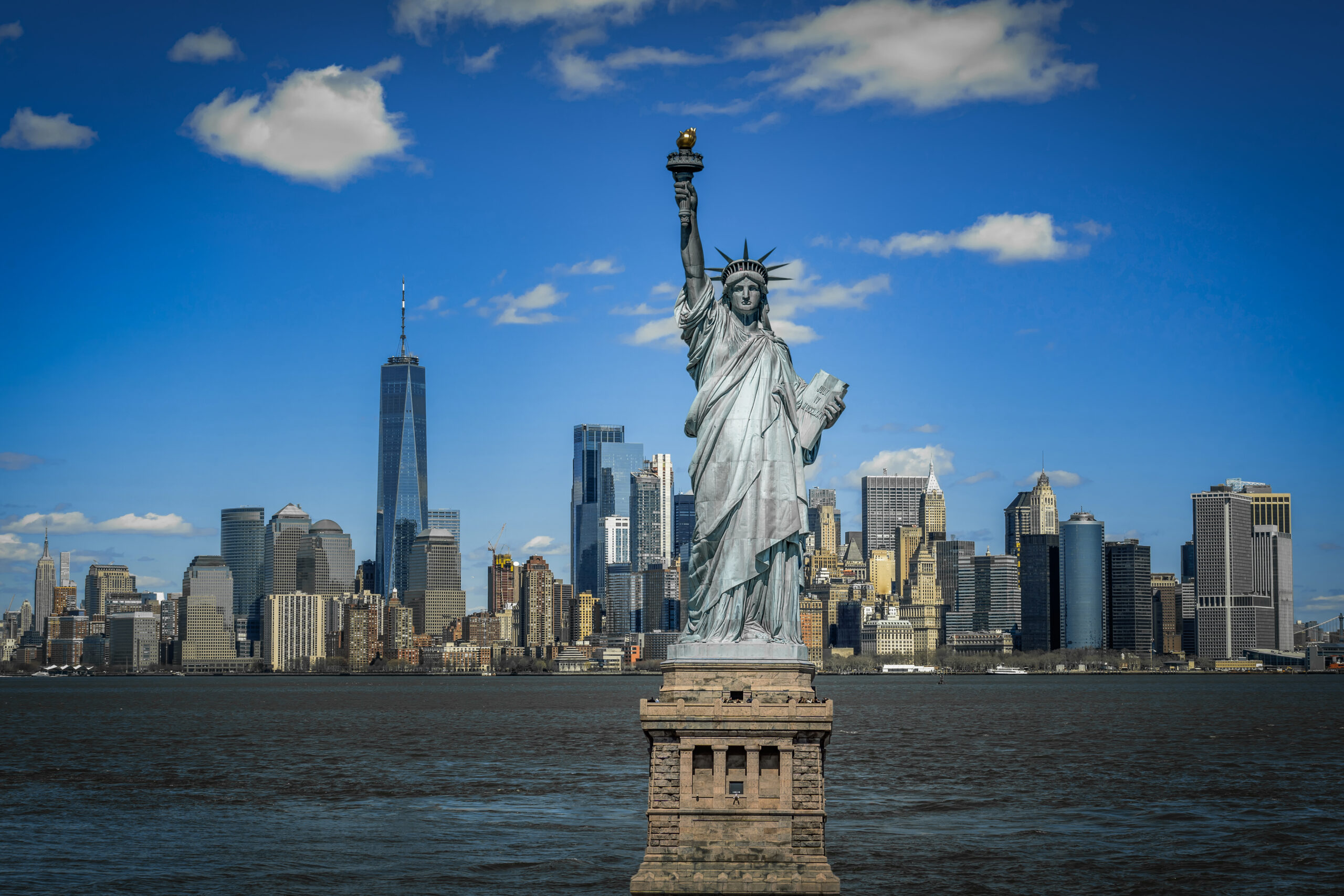
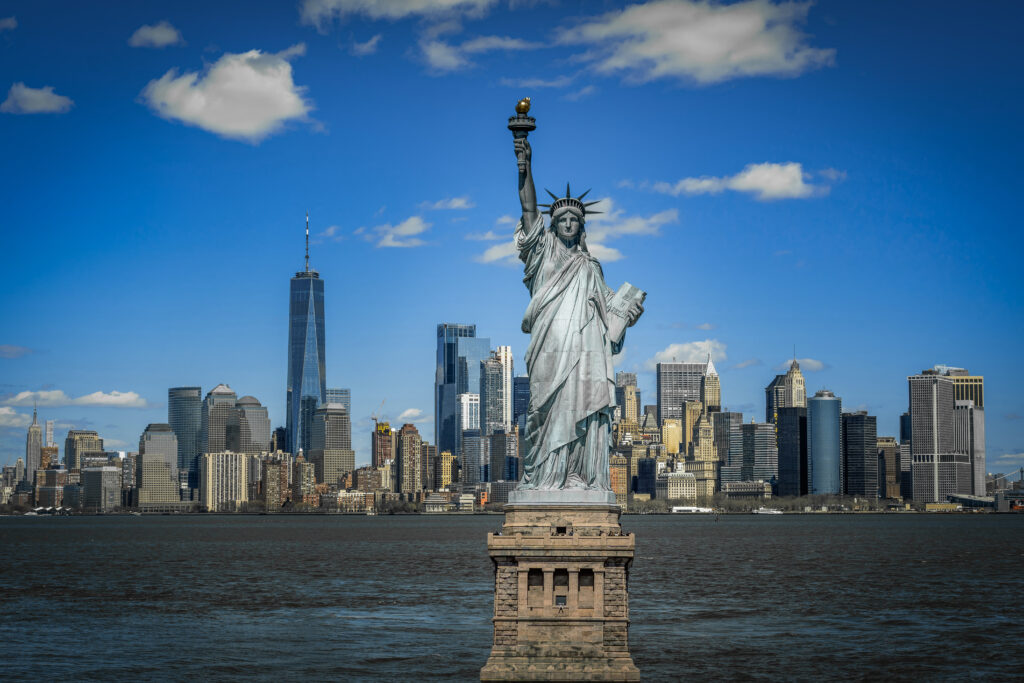
The Statue of Liberty on Liberty Island remains a powerful symbol of America and immigration. The ferry to the statue (mandatory booking) offers spectacular views of Lower Manhattan skyline and passes near Ellis Island, where immigration museum tells stories of 12 million immigrants who between 1892 and 1954 passed through these buildings hoping for better life in New World. Climbing to statue crown requires booking months in advance but view is absolutely worth it.
New York museums compete with world’s best. The Metropolitan Museum of Art (Met) could require days to be adequately visited given collection breadth spanning ancient Egypt to contemporary art through medieval weapons and armor, reconstructed Japanese temples, European paintings of every era, and world-class temporary exhibitions. The Museum of Modern Art (MoMA) preserves masterpieces like Van Gogh’s Starry Night, Picasso’s Les Demoiselles d’Avignon, and works by Pollock, Warhol, and Rothko that redefined 20th century art. The Guggenheim, with its spiral architecture designed by Frank Lloyd Wright, is itself an artwork enhancing modern and contemporary art collections displayed along helical ramp.
Brooklyn, across iconic Brooklyn Bridge built in 1883, became New York’s cool part with hipster neighborhoods like Williamsburg and DUMBO. Williamsburg offers independent art galleries, vintage shops, artisan coffee shops where bearded tattooed barista explains exact provenance of your espresso beans, innovative vegan restaurants, and alternative nightlife in bars with live concerts and DJ sets. DUMBO (Down Under Manhattan Bridge Overpass) gifts perfect postcard view of Manhattan Bridge framed between brick buildings, while converted warehouses host artist lofts, tech startups, and gourmet food markets.
Summer in New York can be hot and humid (25-32°C) with occasional heat waves, but city offers infinite cooling solutions: public pools, spray parks where children play under water jets, subway-accessible beaches like Coney Island and Rockaway Beach, rooftop bars with pools and spectacular views, and of course omnipresent air conditioning in every indoor space. Free summer concerts in Central Park and Bryant Park, outdoor films, neighborhood festivals, and vibrant cultural climate make summer an excellent period to visit despite heat.
Food in New York reflects its diversity with every world cuisine authentically represented thanks to immigrant communities maintaining culinary traditions alive. Pizza by the slice eaten folded walking down street, bagels with cream cheese and smoked salmon in historic delis, street cart hot dogs, gourmet burgers, Japanese ramen, authentic Mexican tacos, Chinese dim sum in Chinatown, Italian pasta in Bronx’s Little Italy, Harlem soul food, and sweets of every type from bakeries perfuming sidewalks.
Budget estimate: 100-150€ per day for budget traveler (using public transport and eating street food), 180-280€ for mid-range comfort, 400€+ for central hotels and starred restaurants. Direct flights from Italy available, often with good offers booking in advance.
Zanzibar, the archipelago off Tanzania coast formed mainly by Unguja islands (commonly called Zanzibar) and Pemba, represents the perfect African exotic dream with postcard beaches of finest white sand bathed by turquoise Indian Ocean waters, coral reefs rich in marine life, fragrant spice plantations that made these islands legendary, and capital Stone Town declared UNESCO Heritage for its perfectly preserved Swahili-Arab architecture telling centuries of trades between Africa, Arabia, and India.
Stone Town, Zanzibar City’s historic center, is a fascinating labyrinth of very narrow alleys where cars cannot enter and you move only on foot getting lost among coral buildings with magnificently carved wooden doors representing true artisan masterpieces, dark wooden overhanging balconies, hidden courtyards, historic mosques, and an atmosphere seeming stopped in 19th century when Zanzibar was center of spice and slave trade. Darajani market explodes with life with stalls of freshly caught fish, exotic tropical fruit, bulk spices, colorful kanga fabrics worn by local women, and continuous shouting of vendors and customers haggling in Swahili.
Island beaches compete with world’s most beautiful. Nungwi and Kendwa on north coast offer impalpable white sand, crystalline waters perfect for snorkeling and diving, and advantage of less pronounced tides compared to east coast, allowing swimming any hour. Paje and Jambiani on east coast are kitesurf paradise thanks to constant winds, with shallow turquoise waters creating infinite shades of blue and green, and relaxed fishing village atmosphere. Matemwe remains quieter and more authentic, perfect for those seeking absolute relaxation far from more developed areas.
Spice plantations represent a unique experience justifying nickname “Spice Island”. Guided tours through lush plantations allow seeing, smelling, and tasting cloves, nutmeg, cinnamon, vanilla, black pepper, cardamom, turmeric, and ginger growing directly from plants, while expert guides explain culinary and medicinal uses of each spice, climbing trees to pick exotic fruits like jackfruit, rambutan, and durian to taste. Freshness and aromatic intensity of freshly harvested spices has no comparison with those bought in Western supermarkets.
Prison Island (Changuu), reachable in 30 minutes by boat from Stone Town, hosts a colony of giant Aldabra tortoises centuries old that can be fed and petted, plus a perfect beach for snorkeling on coral reef where colorful tropical fish swim among healthy varied corals. Mnemba Atoll, considered one of best Indian Ocean diving spots, offers spectacular dives with possibilities to see dolphins, sea turtles, rays, and occasionally whale sharks during migrations.
Zanzibar’s Swahili culture is a fascinating fusion of African Bantu, Arab, Persian, Indian, and Portuguese/British colonial influences creating unique identity. Taarab music, hypnotic mix of Arabic instruments and African rhythms, accompanies weddings and celebrations, while cuisine reflects geographical position with dishes combining Indian spiced flavors, Arab techniques, and African ingredients: Zanzibar biryani, urojo (spicy soup), mishkaki (skewers), and cardamom-scented sweets sold in night markets.
Summer (June-September) in Zanzibar coincides with dry less hot season, with pleasant temperatures 24-28°C, calm sea ideal for water activities, few rains, and constant winds perfect for kitesurf. This is high season with higher prices but optimal conditions. Cool evenings require light sweater, while days allow beach time with pleasant non-oppressive sun.
Diving and snorkeling in coral reef reveal incredibly rich marine ecosystem with over 500 fish species, hard and soft corals of every shape and color, psychedelic nudibranchs, camouflaged octopuses, parrotfish eating corals, and possibility to encounter larger creatures like green turtles, manta rays, and harmless reef sharks. Certified dive centers offer PADI courses and daily outings for all levels.
Budget estimate: 60-90€ per day for budget traveler in local guesthouses, 120-180€ for mid-range beach resorts, 300€+ for luxury all-inclusive resorts. Flights from Italy require stop (often in Addis Ababa, Nairobi or Doha), total 10-15 hours.
Reykjavik, world’s northernmost capital located few kilometers from Arctic Circle, offers completely different experience from all other cities on this list. With barely 130,000 inhabitants, it’s more large village than true metropolis, but what makes it extraordinary is its unique position as perfect base to explore volcanic, glacial, geothermal, and dramatic landscapes making Iceland one of planet’s most spectacular natural destinations.
Reykjavik center is easily walked in few hours. Hallgrímskirkja church, with its modernist architecture recalling basalt columns formed by lava cooling, dominates city skyline and offers from tower a 360-degree panoramic view of colorful city, surrounding mountains, and ocean. Harpa, concert hall covered in polychrome glass shining in sun, represents a contemporary architectural masterpiece and hosts concerts, operas, and international-level cultural events. Downtown offers Icelandic design boutiques in wool and leather, independent bookstores, cozy coffee shops where sheltering from wind, and street art murals coloring otherwise bare buildings.
Icelandic culture is deeply linked to nature and literature. Icelanders read more books per capita than any other nation, medieval Icelandic sagas are fundamental cultural heritage, and almost everyone has published at least one poetry collection. Music ranges from traditional folk to indie-rock with bands like Sigur Rós and Of Monsters and Men gaining international fame. General atmosphere is relaxed, informal, and strongly egalitarian in one of world’s safest and most progressive societies.
Geothermal pools are integral part of Icelandic social life. Locals gather in public pools naturally heated by geothermal springs to socialize in hot tubs chatting about politics, weather, and neighborhood gossip. The Blue Lagoon, though touristic, remains an unforgettable experience with its milky blue waters rich in silica and minerals surrounded by black lava fields, rising vapors creating mystical atmospheres, and possibility to make volcanic mud masks while floating in 38-40°C waters even when outside it snows or rains.
The Golden Circle represents most popular day excursion and includes three spectacular natural attractions. Þingvellir (Thingvellir) is national park where Eurasian and North American tectonic plates visibly separate creating canyons and fractures, and where world’s first democratic parliament was founded in 930 AD. Gullfoss waterfall precipitates in two giant steps into narrow canyon filling air with spray and rainbows on sunny days. Geysir geothermal area offers spectacle of Strokkur geyser erupting punctually every 5-10 minutes shooting boiling water column 20-30 meters high while surrounding ground smokes and boils with volcanic mud pools.
The south coast along Ring Road gifts otherworldly landscapes. Seljalandsfoss and Skógafoss waterfalls are among world’s most photographed, first allows walking behind water veil, second takes breath away with its 60-meter drop and trail climbing 500 steps to summit. Reynisfjara black beach with its geometric basalt columns, powerful Atlantic waves crashing violently, and sea stacks emerging from sea like petrified troll fingers is spectacular but dangerous (sneaker waves have killed careless tourists). Sólheimajökull glacier allows guided excursions on ice with crampons to walk on crevasses, blue ice caves, and moraines.
Icelandic summer (June-August) brings midnight sun phenomenon with days never ending, allowing excursions until late evening in full light. Temperatures vary between 10-15°C with occasional peaks up to 20°C on warmest days, requiring waterproof layered clothing since weather can change dramatically in minutes passing from bright sun to driving rain to thick fog. Purple lupines bloom everywhere coloring landscapes, puffins nest on cliffs, and whales migrate along coasts making whale watching tours very productive.
Icelandic cuisine includes fresh fish (salmon, cod, halibut) cooked thousand ways, free-range lamb grazing summers on mountains, excellent dairy especially skyr yogurt rich in protein, and more exotic specialties like whale meat, fermented shark (hákarl), and puffin. Modern Reykjavik restaurants embraced New Nordic philosophy using local ingredients and contemporary techniques to create world-class gastronomic experiences.
Budget estimate: Iceland is notoriously expensive. 100-140€ per day for very budget traveler (hostels, supermarkets, DIY excursions), 180-250€ for mid-range comfort, 350€+ for good hotels and restaurants. Car rental almost mandatory to explore beyond Reykjavik. Direct flights from several Italian cities, duration 4-5 hours.
Singapore, tiny city-state size of Rome municipality but with 5.7 million inhabitants, represents a miracle of efficiency, cleanliness, order, functioning multiculturalism, and futuristic vision that transformed it from commercial port to one of planet’s most prosperous and livable cities in just 60 years from independence. Here futuristic skyscrapers coexist with colonial shophouses, Chinese temples stand beside Indian mosques and Christian churches, and four main cultures (Chinese, Malay, Indian, Western) merge maintaining separate but complementary identities.
Marina Bay represents Singapore’s architectural icon. Marina Bay Sands, hotel-casino-shopping mall shaped like three towers joined at top by giant ship, dominates skyline with its rooftop infinity pool (accessible only to hotel guests) offering breathtaking bay views. The nightly light and water show projected on skyscraper facades and synchronized with dancing fountains is free and spectacular. Adjacent Gardens by the Bay represent a sustainable design masterpiece with Supertrees, artificial trees up to 50 meters high covered in climbing plants and solar panels illuminating at night in light shows, and climate-controlled conservatories Flower Dome and Cloud Forest recreating mountain ecosystems with 35-meter indoor waterfalls and botanical collections from worldwide.
Ethnic quarters preserve historical authenticity amid modernity. Chinatown offers Buddhist temples fragrant with incense, traditional Chinese medicine shops, dim sum restaurants packed with locals, and lively night market where haggling souvenirs and tasting street food. Little India explodes with colors with brilliant saris displayed, golden jewelry, spice scents, Bollywood music, richly decorated Hindu temples, and vegetarian restaurants serving thali (assorted dishes) on banana leaves. The Arab quarter around Sultan Mosque with its golden dome offers Persian carpet shops, oud and attar perfumeries, Middle Eastern restaurants, and hipster boutiques in restored colonial buildings along Haji Lane become Instagram-famous for its colorful murals.
Sentosa Island, connected to mainland by cable car, monorail and road bridge, is completely artificial resort island dedicated to entertainment with Universal Studios Singapore, imported sand artificial beaches, giant aquariums, resort theme hotels, golf courses, and continuous attractions. Less authentic but perfect for families with children seeking concentrated entertainment.
Singaporean cuisine deserves dedicated trip and represents perhaps city’s true cultural heritage. Hawker centers, covered food markets where dozens of stalls sell specialized dishes at bargain prices, are local gastronomic culture heart and socialization places where entire Singaporean society mixes. Chicken rice (boiled chicken served on rice cooked in chicken broth), considered national dish, reaches perfection levels here with masterfully balanced textures and flavors. Laksa (coconut curry noodle soup with shrimp), char kway teow (stir-fried rice noodles with eggs and seafood), satay (marinated skewers grilled with peanut sauce), roti prata (layered Indian bread served with curry), and countless other Chinese, Malay, Indian, and Peranakan (Sino-Malay) specialties demonstrate how Singapore is literally foodie paradise.
Summer (June-August) in Singapore is very hot and humid (28-33°C with 80-90% humidity) with brief but intense tropical rains almost daily. However, omnipresent air conditioning in every indoor space, excellent public transport (MRT very clean, punctual, economical), umbrellas used also as parasols, and habit of moving between air-conditioned buildings make heat manageable. Summer Singapore Food Festival and Great Singapore Sale attract visitors with discounts and gastronomic events.
Singapore’s strict rules are legendary: chewing gum banned, smoking banned except designated areas, crossing outside pedestrian crossings banned, hefty fines for littering or spitting, and death penalty still applied for drugs. However, these rules create incredibly safe, clean, orderly city where you can walk worry-free any hour.
Orchard Road, shopping avenue over 2 km long, concentrates giant shopping centers one after another with every imaginable global brand, restaurants of every cuisine, multiplex cinemas, and glacial air conditioning perfect for escaping outside heat.
Budget estimate: 80-120€ per day for budget traveler (hostel, hawker centers, public transport), 150-220€ for mid-range comfort in 3-4 star hotels, 350€+ for luxury and starred restaurants. Direct flights from Italy available, often with excellent offers via Middle Eastern stops, total duration 12-15 hours.
Mauritius, volcanic island in Indian Ocean 2,000 km from African coast, represents quintessence of tropical paradise with finest white sand beaches surrounded by turquoise lagoons protected by coral reefs, verdant mountains dominating interior, sugarcane plantations extending endlessly, and multicultural population (Hindu, Muslim, Creole, Chinese, European) coexisting harmoniously creating unique mix of traditions, cuisines, and celebrations.
Mauritius beaches compete with planet’s most beautiful. Trou aux Biches on north coast offers impalpable white sand, calm transparent waters perfect for swimming and snorkeling, casuarina trees providing natural shade, and relaxed atmosphere with few street vendors. Belle Mare on east coast extends for kilometers with luxury resorts directly overlooking paradise beach, emerald water, and constant winds making it popular for kitesurf and windsurf. Le Morne, on southwestern peninsula dominated by Le Morne Brabant mountain (UNESCO heritage), gifts one of island’s most photographed panoramas with lagoon changing color from turquoise to cobalt blue, dramatic mountain reflecting in water, and optical illusion of “underwater waterfall” visible from above where currents and sand create effect of water precipitating into abyss.
Mountain interior offers spectacular landscapes completely different from beaches. Black River Gorges National Park protects primary rainforests where endemic species like pink pigeon and Mauritius kestrel live, hidden waterfalls reachable via trekking, and panoramic points embracing entire island. Chamarel Coloured Earths, volcanic earth dunes assuming seven different colors (red, brown, purple, green, blue, yellow) due to different minerals presence, represent unique geological phenomenon. Nearby Chamarel waterfall precipitates 100 meters into verdant gorge surrounded by lush tropical vegetation.
Port Louis, capital, mixes modernity and colonial history with its very lively central market where Mauritians do daily shopping buying exotic tropical fruit, spices, fabrics, local crafts, and delicious economical street food. Caudan Waterfront offers duty-free shopping, restaurants overlooking port where luxury yachts moor beside traditional fishing boats, and Blue Penny Museum preserving famous 1847 Mauritian stamps among world’s most precious.
Mauritian culture reflects migratory waves that populated the deserted island discovered by Portuguese: African slaves brought by French, Indian workers arrived after slavery abolition, Chinese traders, and French and British colonizers. This fusion created Mauritian Creole cuisine combining Indian spiced flavors, French techniques, Chinese and African ingredients in unique dishes like dholl puri (Indian bread filled with yellow lentils), gateau piment (spicy lentil fritters), rougaille (Creole stew), Mauritian samoussas filled with meat or vegetables, and vindaye de poisson (fish in spicy sauce). Spoken languages include Mauritian Creole, French, English, Hindi, and Chinese dialects, often mixed in same conversation.
Mauritian summer (November-April in southern hemisphere) brings warm temperatures 28-33°C, very warm sea perfect for water sports, but also tropical cyclone possibilities especially between January and March. Months June-September (austral winter) offer milder temperatures 20-25°C, still pleasant sea, and ideal conditions for mountain interior excursions without oppressive heat.
Marine activities are fulcrum of Mauritian experience. Snorkeling on coral reef reveals very colorful tropical fish, sea turtles, rays, and occasionally curious dolphins approaching bathers. Diving offers spectacular dives with underwater caves, intentionally sunken wrecks become artificial reefs, and vertical walls where reef precipitates into abyss populated by sharks, barracudas, and eagle rays. Kitesurf at Le Morne attracts worldwide professionals for perfect wind conditions and lagoon flat water. Sailboat outings to uninhabited islets allow picnics on private beaches and snorkeling sessions in remote points.
Sugar plantations covering 90% cultivated surface tell island’s economic history. Some historic estates like L’Aventure du Sucre were transformed into interactive museums explaining sugar production process, slavery history, and allowing tastings of local rums produced from molasses, some aged in oak barrels for decades and internationally awarded.
Budget estimate: Mauritius is accessible. 70-100€ per day for budget traveler in local guesthouses, 120-200€ for mid-range resorts with half-board, 300€+ for all-inclusive luxury beach resorts with every comfort. Flights from Italy require stop (Dubai, Istanbul, Paris), total 12-16 hours.
Buenos Aires, Argentine capital of 15 million inhabitants in metropolitan area, is called “Paris of South America” for its European architecture, tree-lined avenues, historic cafés and sophisticated cultural atmosphere, but possesses distinctly Latin identity made of football passion, tango obsession, grilled meat consumed in impressive quantities, and mix of melancholy and joy of living reflected in every life aspect.
San Telmo barrio preserves historic Buenos Aires atmosphere with cobblestone streets, colonial palaces with internal patios, antiquarians selling vintage objects, bohemian cafés frequented by artists and intellectuals, and especially tango. Every Sunday Feria de San Telmo fills streets with antique stalls, crafts, vinyls, used books, while dancer couples improvise outdoor milongas accompanied by musicians playing melancholic bandoneons. Historic cafés like Café Tortoni (1858) maintain intact period charm with golden mirrors, crystal chandeliers, white-jacketed waiters, and evening tango shows.
La Boca, port neighborhood traditionally inhabited by Italian immigrants (especially Genoese), explodes with colors with its houses painted in vivid tones using leftover paints from shipyards. Caminito, pedestrian street open-air museum, concentrates street artists, tango dancers posing for photos, tourist restaurants, and souvenir shops, but just moving few streets away finds working-class neighborhood authenticity. Bombonera stadium, Boca Juniors home, offers tours making even non-football fans vibrate with emotion showing trophies, locker rooms, and allowing walking sacred field where Maradona played.
Recoleta, most elegant European district, offers noble palaces, high fashion boutiques, art galleries, and Recoleta Cemetery where Argentine aristocratic families built monumental mausoleums in marble, bronze, and granite creating a city of dead of incredible architectural beauty. Eva Perón’s tomb attracts pilgrims leaving flowers and letters to charismatic leader still dividing Argentine opinion decades after her death.
Puerto Madero, completely redeveloped ex-port area, represents modern Buenos Aires with luxury residential skyscrapers, refined restaurants overlooking docks, Calatrava-designed Mujer bridge, international corporation offices, and pleasant riverside promenade for jogging and walks. Contrast with San Telmo few blocks away is stark but represents Argentine duality between tradition and modernity aspiration.
Argentine cuisine revolves around excellent beef. Asado (barbecue) is sacred social ritual where different cuts (bife de chorizo, entraña, vacío, costillas) are slowly cooked on wood embers and served with chimichurri (spicy green sauce), mixed salad, and full-bodied Malbec wine. Parrillas (steakhouses) serve gigantic portions at accessible prices thanks to cattle abundance raised in Pampas. Empanadas filled with meat, chicken, ham and cheese, or humita are eaten as snacks or appetizers, while Italianized sweets like artisan gelato and alfajores (cookies filled with dulce de leche) satisfy sugar cravings.
Summer (December-February in southern hemisphere) brings intense heat 28-35°C with high humidity making air heavy, pushing porteños (Buenos Aires inhabitants) to flee toward Atlantic beaches or Patagonia mountains. However, city partially empties making museum visits more pleasant, restaurants less crowded, and hotel prices lower. Many shops and restaurants close some weeks in January for collective holidays.
Tango isn’t just a dance but deep cultural expression born in port slums at end of 19th century mixing African, European and Creole influences, expressing melancholy (saudade), repressed passion, and migrants’ nostalgia for lands left. Traditional milongas (dance halls) maintain alive ancient rules and codes where men invite women with eye nod (cabeceo), you dance in silence concentrated on steps, and atmosphere is serious and respectful. Tourist tango shows in restaurants are more theatrical with acrobatics and elaborate costumes.
Porteña nightlife starts late (dinner at 10-11pm, clubs open from 1 to 6am) and ends at dawn when many go straight to breakfast without going home. Palermo Soho boliches (nightclubs) pulse with reggaeton and electronic, Palermo Hollywood bars serve Argentine artisan craft beer, and teatro-cafés offer stand-up comedy, live music, and cabaret shows.
Budget estimate: Argentine inflation makes prices variable but generally convenient for Europeans. 40-60€ per day for budget traveler, 80-120€ for good comfort, 180€+ for quality central hotels and top restaurant dinners. Flights from Italy require minimum one stop, total duration 14-18 hours.
Each city presents unique characteristics adapting to different traveler types. Istanbul and Marrakech are perfect for those seeking exotic cultures few flight hours from Italy with contained budgets. Singapore attracts luxury lovers, duty-free shopping, and futuristic hypermodernity. Tokyo fascinates those wanting to immerse in totally different culture maintaining very high safety and efficiency standards. New York remains American dream par excellence with incomparable urban energy.
Zanzibar and Mauritius are ideal for those seeking paradise sea, resort relaxation, and authentic tropical atmospheres. Reykjavik attracts extreme nature lovers, volcanic landscapes, and outdoor adventures. Buenos Aires seduces those loving Latin culture, tango, excellent meat, and European bohemian atmospheres transplanted in South America.
Practical considerations include distance and flight duration (Istanbul and Marrakech 3-4 hours, Tokyo and New York 12-14 hours, Buenos Aires over 14 hours), budget (from economical Marrakech to expensive Iceland), summer climate (dry heat vs humid vs mild), language barriers (widespread English vs need for gestures and translators), time differences that can impact jet-lag, and visa requirements (some countries require advance visas, others allow tourist entry without).
The best non-EU cities for summer offer a world of possibilities well beyond European borders, allowing deep cultural experiences, discovering breathtaking landscapes, savoring authentic cuisines, and creating lifetime memories. From exotic atmospheres of Istanbul and Marrakech to futuristic skyscrapers of Dubai and Singapore, from Tokyo’s millennial culture to paradise beaches of Zanzibar and Mauritius, from Iceland’s extreme nature to New York and Buenos Aires urban energy, each destination gifts unique emotions and profoundly enriches those brave enough to broaden their horizons.
Careful planning, advance booking of flights and accommodations, mental openness toward different cultures, and respect for local traditions transform these trips into unforgettable adventures changing perspective and broadening world understanding in its wonderful diversity.
On our website you’ll find our personalized consultation service can help you choose the perfect destination and create custom itinerary for your needs, interests, and budget.
Just choose your next adventure beyond European borders: the world awaits with its wonders!