Visiting Crete: Complete Guide to Greece’s Most Fascinating Island
Visiting Crete means immersing yourself in an island encompassing millennia of history, breathtaking paradise beaches, and natural landscapes of wild, untouched beauty. This wonderful Greek island represents far more than a simple beach destination: it’s a journey through Minoan civilization, one of Europe’s oldest, an exploration of perfectly preserved Venetian villages, and a dive into crystalline waters ranging from brilliant turquoise to deep blue, passing through pink shades that seem painted by nature itself.
The island of Crete offers a complete experience satisfying every type of traveler. History enthusiasts can explore the magnificent Palace of Knossos, the beating heart of Minoan civilization and legendary labyrinth of the Minotaur, while relaxation-seekers will find beaches like Elafonissi and Balos, considered among the Mediterranean’s most beautiful. The historic centers of Chania and Heraklion reveal fascinating cultural stratifications, where Venetian architecture, Ottoman mosques, and Greek traditions merge into a unique mix telling centuries of history.
Whether you have one week to discover essential highlights, ten days for deeper exploration, or two weeks to live the complete experience, Crete adapts perfectly to your time needs. The island is large enough to offer variety and continuous discoveries, yet accessible enough to allow comfortable exploration of its wonders with proper planning.
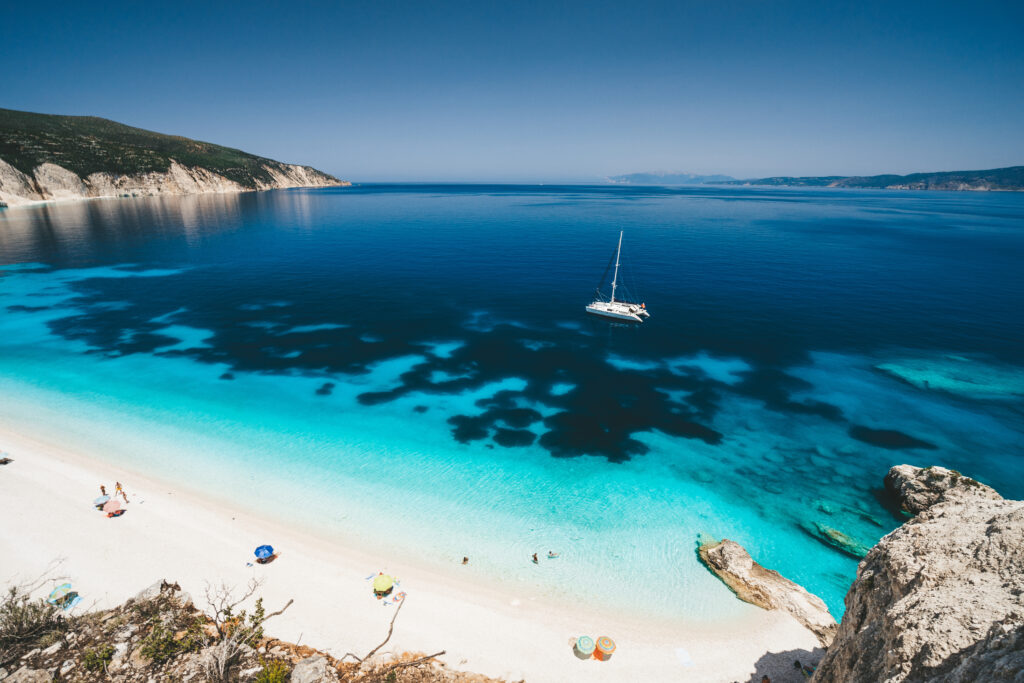
Crete stands out from other Greek islands for its extraordinary cultural and landscape richness. While many Mediterranean destinations offer beautiful beaches or interesting archaeological sites, Crete manages to combine both elements reaching excellence levels difficult to replicate elsewhere. The Minoan civilization flourishing here about 4,000 years ago left archaeological testimonies of worldwide importance, and the Palace of Knossos represents one of the Mediterranean’s most fascinating cultural destinations.
But Crete isn’t just ancient history. Venetian and Ottoman dominations shaped city architecture, creating urban centers of rare beauty. Chania, with its Venetian harbor and Ottoman quarters, is considered one of Greece’s most charming cities. Heraklion, the capital, pulses with modern energy while preserving treasures like the Archaeological Museum, among the Mediterranean’s most important for Minoan civilization.
Crete’s beaches deserve special mention. Elafonissi, with its characteristic pinkish sand and turquoise waters creating natural lagoons, regularly ranks among the world’s most beautiful beaches. Balos Lagoon offers an almost Caribbean spectacle with shallow crystalline waters, while Gramvousa peninsula hosts an ancient Venetian fortress. Preveli amazes with its date palm forest reaching the sea, Falasarna gifts breathtaking sunsets, while Kedrodasos remains one of the last wild, untouched corners.
Cretan gastronomy represents Mediterranean diet essence in its most authentic form. The island’s olive oil is considered among the world’s best, local cheeses like graviera have intense, complex flavors, and traditional dishes like dakos or boureki tell centuries of culinary traditions passed through generations.
After visiting Crete numerous times, we can confirm there are different ways to explore the island based on available time. The key to success lies in choosing strategic bases that allow exploring different areas without changing accommodation too frequently.
The island can ideally be divided into three macro-areas, each with distinctive characteristics:
The Chania area (West) probably represents the island’s most fascinating part from both landscape and cultural perspectives. Here you’ll find some of the Mediterranean’s most spectacular beaches, Crete’s most beautiful Venetian historic center, and numerous authentic inland villages. This area certainly deserves several days of exploration to appreciate all its facets.
The central Kissamos area is perfect as a base to explore western Cretan beaches. This small authentic coastal village offers contained prices and local atmosphere, while being strategically positioned to easily reach destinations like Balos, Elafonissi, Falasarna, and other hidden gems.
The Heraklion area (East) is where Crete reveals its deepest historical roots. The Palace of Knossos and Archaeological Museum are essential stops to truly understand the island, while the city itself offers an interesting mix of Venetian history and modern Greek life.
One week allows visiting main highlights while moving between the three zones, dedicating time to the most beautiful beaches and fundamental archaeological sites. It’s sufficient time to fall in love with the island but inevitably leaves you wanting to return.
Ten days represents an excellent compromise, allowing exploration of less touristic destinations, pure relaxation days, and experiencing the island with a more relaxed pace without constantly rushing.
Two weeks offers time luxury, allowing discovery of inland villages, remote beaches, and improvising interesting detours simply following curiosity.
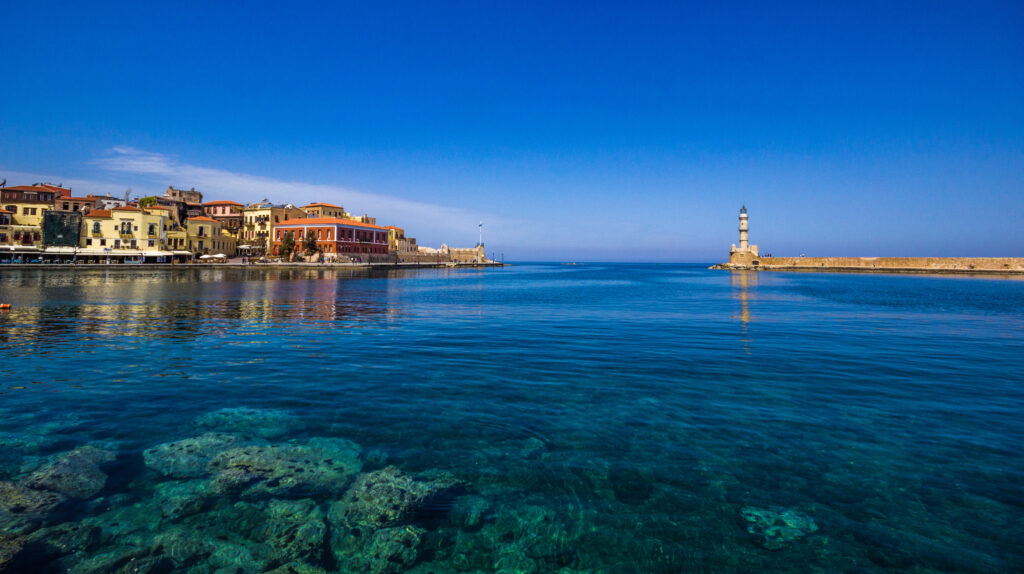
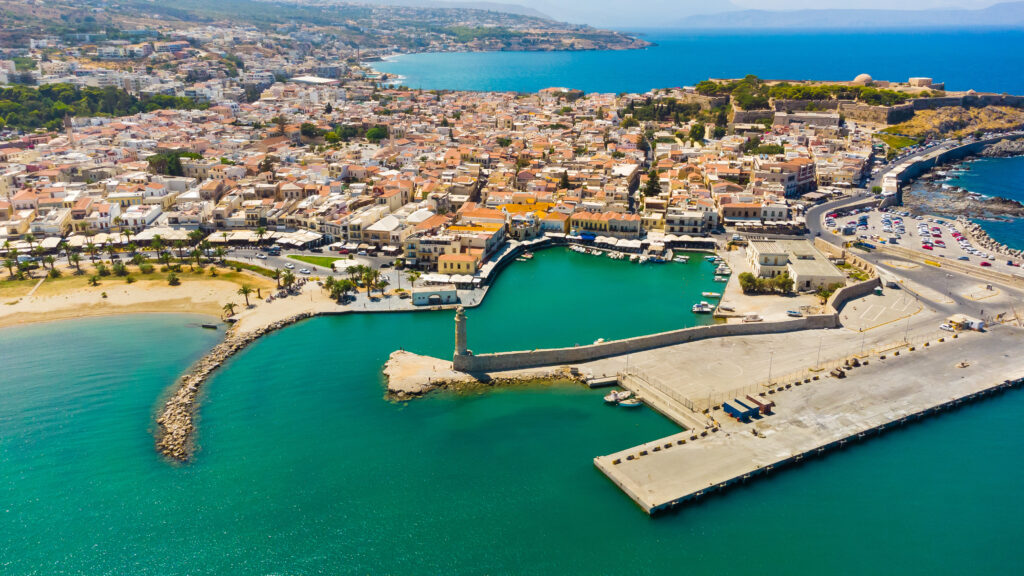
Chania is considered by many Crete’s most beautiful city. The Venetian harbor, built in the 14th century, still preserves its original charm with restored arsenals, elegant loggias, and famous Ottoman lighthouse standing against the sunset sky. Walking along the waterfront means time traveling, imagining Venetian merchants unloading spices and precious fabrics.
The Tambakaria quarter deserves in-depth exploration. This labyrinth of narrow alleys hides secret courtyards, artisan workshops still working leather as centuries ago, and small family tavernas where you can taste real Cretan cuisine away from harbor tourist restaurants.
The Archaeological Museum, housed in a former Venetian church later converted to mosque, preserves an extraordinary collection of artifacts telling the island’s history from Prehistory to Roman occupation. The Mosque of the Janissaries, built in 1645, represents Crete’s oldest mosque and dominates the harbor with its characteristic dome. The Firkas Fortress, erected by Venetians to protect the harbor, offers spectacular panoramic views of the city and sea from its terraces.
For those wanting to relax on the beach without going far from the center, Nea Chora Beach and Golden Beach offer clean sea and services just minutes from the Venetian harbor.
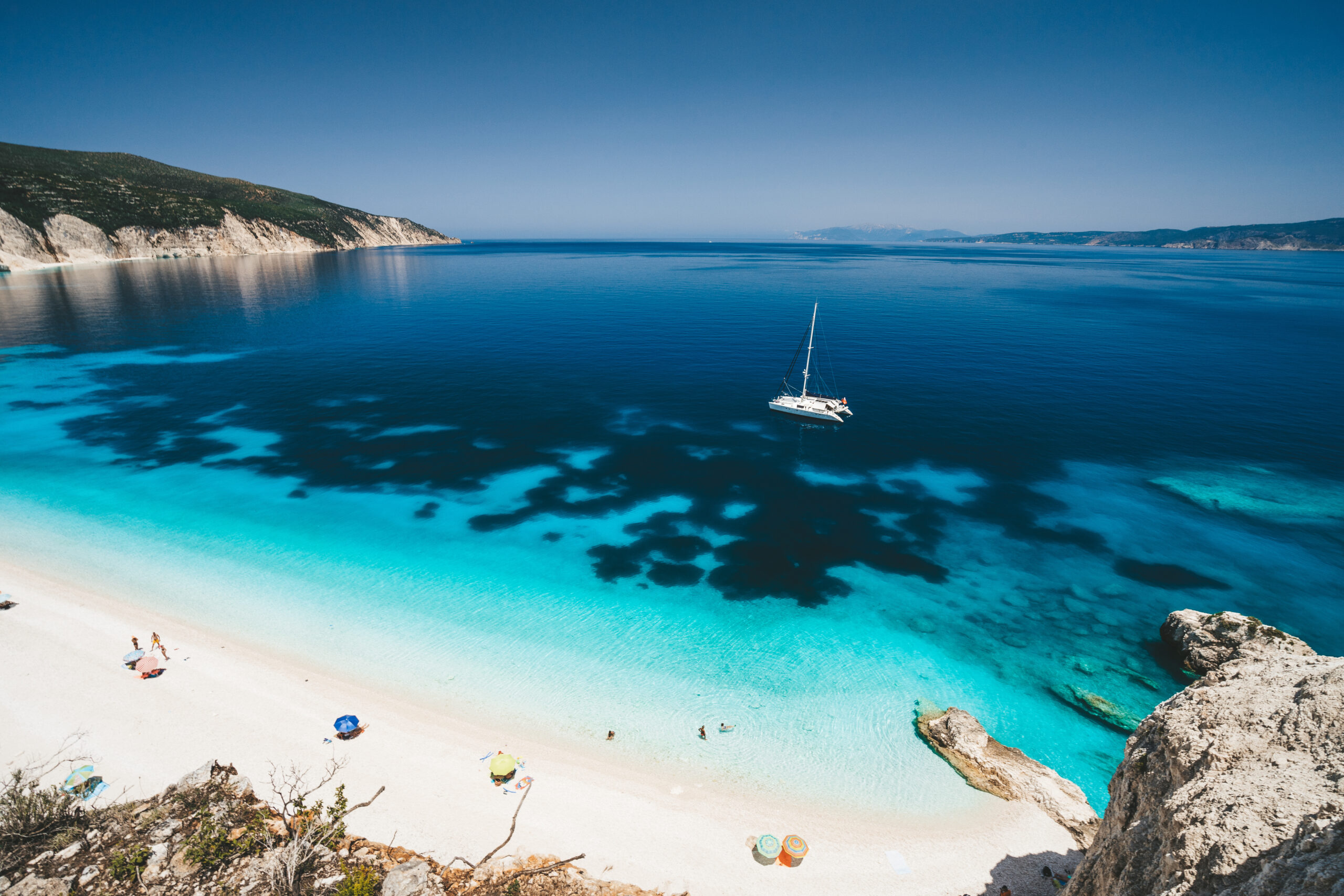
Balos Lagoon probably represents all Crete’s most photographed landscape. Waters create seemingly impossible shades, varying from brilliant turquoise to deep blue, passing through pink tones due to coral fragments. Shallow seabeds allow walking in water for hundreds of meters, creating the effect of a giant natural pool surrounded by wild rocky promontories.
A few minutes by boat rises the Gramvousa Peninsula, dominated by a 16th-century Venetian fortress perched on rock overlooking the sea. The fortress offers 360-degree views embracing Balos lagoon from above, open sea, and Crete’s coasts. Gramvousa’s history is fascinating: after Crete’s fall to Turks, the fortress remained the last bastion of Cretan resistance, and later became a pirate refuge controlling trade routes.
The recommended experience is reaching these places by boat from Kissamos harbor. The excursion allows enjoying coastal sailing, visiting both Balos and Gramvousa, and admiring spectacular perspectives from the sea.
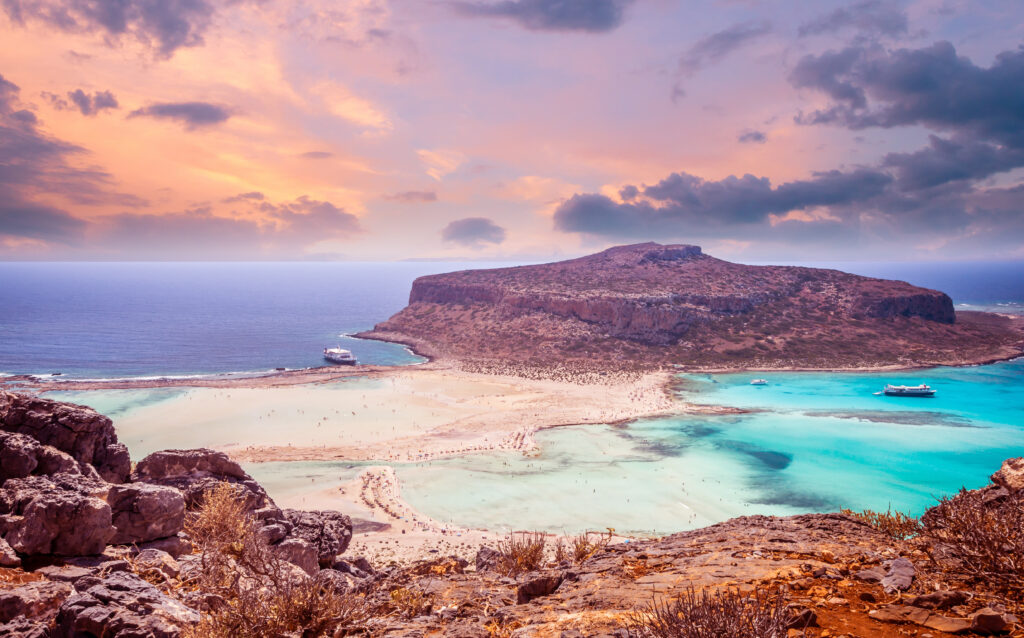
Elafonissi competes with Balos for most beautiful beach title. It presents itself as a small island connected to mainland by a shallow sea arm crossable on foot, creating the illusion of walking on water. Sand truly assumes pinkish tones thanks to coral fragments deposited over millennia, creating a unique chromatic effect.
Water varies from crystalline turquoise in shallower areas to deep blue, with natural lagoons forming between island and mainland creating protected pools ideal also for families with children. The landscape is almost surreal, with pink sand dunes protected as nature reserve creating a naturalistic environment of rare integrity.
Being a highly sought destination, arriving in early morning hours is advisable to enjoy the place before crowds. On return, it’s worth visiting Chrisoskalitissa Monastery, perched on rocky promontory overlooking the Libyan Sea, offering spectacular views and representing a fascinating example of Orthodox religious architecture.
Falasarna is one of Crete’s most awarded beaches, regularly included in best European beach rankings. The wide golden sand stretch extends over a kilometer, with sea ranging from emerald green to deep blue. The beach is known for being windy, a condition appreciated by surfers but guaranteeing always fresh air.
If you stay until evening, Falasarna gifts one of nature’s most beautiful shows: the sun setting directly into the sea painting sky and water orange, pink, and purple. Nearby is also the archaeological site of ancient Falasarna city, where you can see remains of city walls and port system.
Kedrodasos represents the last truly wild beach of western Crete. Protected by a centuries-old juniper forest reaching the water, it’s completely devoid of organized tourist services. Here you find only pure nature, crystalline sea, and silence broken only by wave sounds and wind through branches. Perfect for those seeking authentic experience far from mass tourism.
Preveli Beach on the south coast is where the Kourtaliotis river flows into the Libyan Sea, creating a unique landscape: a date palm forest growing along the river reaching the beach, freshwater lagoons for refreshing, and crystalline sea. The combination of river, palms, and sea creates photogenic scenery at every corner.
The beach can be reached by boat from Plakias harbor or on foot from Kato Preveli Monastery following a panoramic but steep path. Not being equipped, bringing everything needed is advisable.
Kissamos is a small coastal village still largely unknown to mass tourism, representing the perfect choice as a base to explore western wonders. Its geographical position allows comfortably reaching legendary beaches without exhausting transfers, maintaining contained prices and authentic atmosphere.
Kissamos doesn’t boast striking monuments, and precisely this simplicity constitutes its charm for travelers seeking authenticity. Here you’ll find family-run tavernas where fishermen dine alongside tourists, a weekly market where farmers sell local products, and a quiet waterfront for evening walks.
Kissamos’s true magic reveals itself when you use it as a launching pad towards western Cretan natural wonders: from here depart boat excursions to Balos and Gramvousa, you can easily reach Elafonissi, Falasarna, Kedrodasos, and other hidden gems.
After days spent in the west, the final stage leads to Heraklion, Crete’s capital. This chaotic, lively city is where the island reveals its deepest historical roots. Without visiting Heraklion, the Palace of Knossos, and Archaeological Museum, you see Crete superficially without understanding that millennial cultural stratification that made it one of European civilization’s cradles.
The route from west to Heraklion offers opportunities for interesting stops. Lake Kournas, Crete’s only natural freshwater expanse, is inhabited by turtles and offers relaxing atmosphere. Rethymno, with its perfectly preserved Venetian historic center, deserves a stop to visit the Fortress and Venetian harbor.
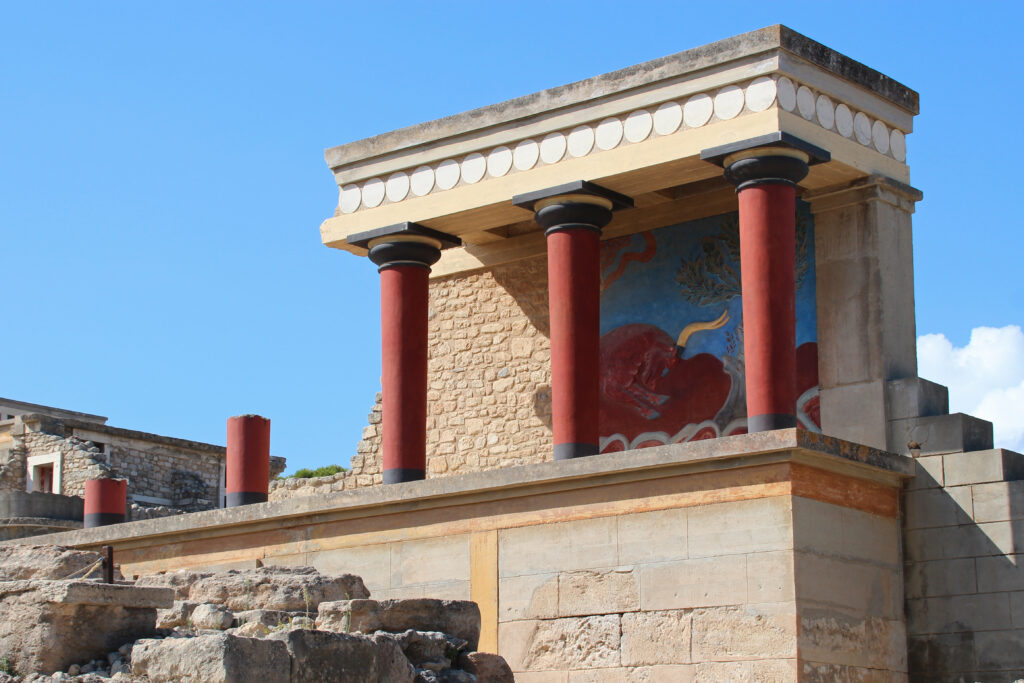
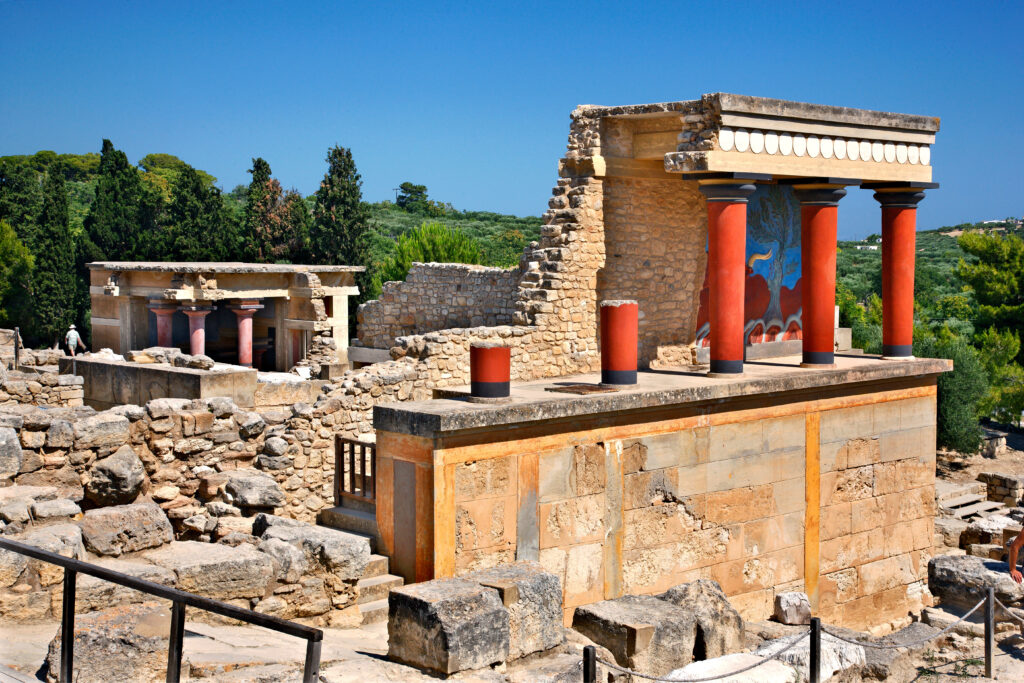
The Palace of Knossos is Crete’s most important archaeological site, living testimony of a civilization flourishing about 4,000 years ago. This monumental complex dating to 1900 BC wasn’t just a royal residence but a multifunctional center uniting political, religious, and economic functions.
Walking among ruins means entering myth: Knossos is legendary King Minos’s palace, theater of the Theseus, Ariadne, and Minotaur story. Dimensions are impressive: the complex extended over about 20,000 square meters with over 1,300 rooms arranged on multiple levels. The labyrinthine layout probably gave birth to the impossible labyrinth myth from which no one could escape.
Visiting the palace with a local guide allows better understanding the site’s complexity and surrounding myths, making the experience much more significant.
The Heraklion Archaeological Museum is one of Greece’s most important museums, second only to Athens’s. It preserves over 15,000 artifacts telling Cretan civilization’s evolution from Neolithic to Roman period.
The Minoan collection is unparalleled worldwide and includes absolute masterpieces: restored frescoes from Knossos, delicate ceramics with naturalistic decorations, votive statuettes, finely worked gold jewelry, and engraved seals with daily life scenes.
Visiting the museum after exploring Knossos creates a perfect narrative path: at the palace you saw the places, at the museum you see the objects filling those spaces. Original frescoes reveal still brilliant colors after four millennia.
Beyond archaeological treasures, Heraklion deserves exploration as a living city. The Venetian Harbor with its imposing Koules Fortress from the 16th century represents the city’s symbol. This massive fortification was built by Venetians to protect the harbor and later used as prison during Ottoman period.
St. Titus Church, St. Mark’s Basilica (now art gallery), and historic fountains like Morosini Fountain dot the center telling stories of Venetian hydraulic engineering. The Venetian Walls, extending about 4.5 kilometers, represent one of the Mediterranean’s best-preserved defensive systems.
The eastern coast offers smaller but equally beautiful beaches as the west, with the advantage of being less crowded. Voulisma Beach, near Agios Nikolaos, is appreciated for crystal turquoise water and intimate atmosphere. Being small, arriving early is advisable.
Agios Nikolaos, an ancient fishing village turned commercial center, maintains particular charm with Lake Voulismeni, a small lagoon surrounded by restaurants. St. Nicholas Church is one of Crete’s oldest, while the Archaeological Museum preserves over 1,500 artifacts.
Period choice profoundly influences travel experience. July and August guarantee maximum heat, very warm sea, and certain good weather, but also bring maximum crowds, high prices, and necessity to book everything in advance.
June and September probably represent the best choice: temperatures 25-30°C perfect for sea and activities, still/already warm sea, fewer visitors (especially after mid-September), lower prices, and more relaxed atmosphere.
Spring from April to May offers completely different experience: spectacular flowering, green landscapes, wild herb scents. Temperatures 18-25°C perfect for trekking and cultural visits, sea still cool. Low prices and minimal crowds. Ideal for those prioritizing culture and nature over sea.
Autumn October maintains mild temperatures 20-25°C, warm sea until month end, very reduced crowds, and affordable prices. Rain risk increases from November.
Car rental is essential in Crete. Public transport exists but is limited, and many beautiful beaches are only reachable by car. Book advance online comparing prices, and ensure picking up and returning at same airport to avoid extra costs.
Cretan cuisine deserves exploration with curiosity. Avoid tourist restaurants along main harbors where prices are inflated and quality mediocre. Prefer family tavernas in residential neighborhoods or inland villages where locals eat.
In high season arrive at famous beaches by 9:00-9:30am to find space. Book boat excursions and attractions with limited entries in advance.
Indicative budget: With 50-70 euros per day you travel economically, with 100-150 euros you access good comfort and all excursions, over 200 euros allows luxury and maximum comfort.
Visiting Crete means much more than checking destinations off a list. It means connecting with an island that shaped European history, walking where one of antiquity’s most refined civilizations flourished, discovering breathtaking natural landscapes, and meeting people maintaining millennial traditions with authenticity.
Whether you have one week, ten days, or two weeks, Crete will gift you an unforgettable experience combining legendary beaches like Balos and Elafonissi, cultural treasures like the Palace of Knossos and Archaeological Museums, and the authentic atmosphere of Venetian villages like Chania.
On our website, you’ll find detailed ready-made itineraries for 7, 10, and 13 days with day-by-day planning, precise maps, schedules, costs, and all practical details to experience Crete stress-free. Additionally, our personalized consultation service is available to create the perfect custom itinerary for you.
Just pack your bags: Crete awaits with its millennial treasures, dream beaches, and authentic soul still beating strong after millennia of history!