Traveling to Malta opens the door to an extraordinary journey through 7,000 years of Mediterranean history. This small archipelago between Sicily and North Africa holds an astonishing concentration of cultural treasures: prehistoric temples that predate Stonehenge, a baroque capital built by warrior knights, and medieval cities frozen in time.
Malta surprises even seasoned travelers. Beyond its turquoise waters lies a cultural depth that rivals much larger European nations. UNESCO World Heritage sites, Caravaggio masterpieces, Roman catacombs, and fortified cities create a destination where every stone tells a story.
Whether you’re a history enthusiast, architecture lover, or simply curious about Mediterranean civilizations, Malta offers an immersive cultural experience that will leave you enriched and inspired.
Malta’s strategic position at the Mediterranean’s crossroads has attracted Phoenicians, Romans, Arabs, Normans, Knights of St. John, and British colonizers. Each civilization left its mark, creating a unique cultural fusion found nowhere else.
The islands pack extraordinary density of heritage sites into just 316 square kilometers. You can explore a 5,000-year-old temple in the morning, admire Renaissance fortifications at midday, and attend baroque opera in the evening—all without traveling more than a few kilometers.
What makes Malta special:
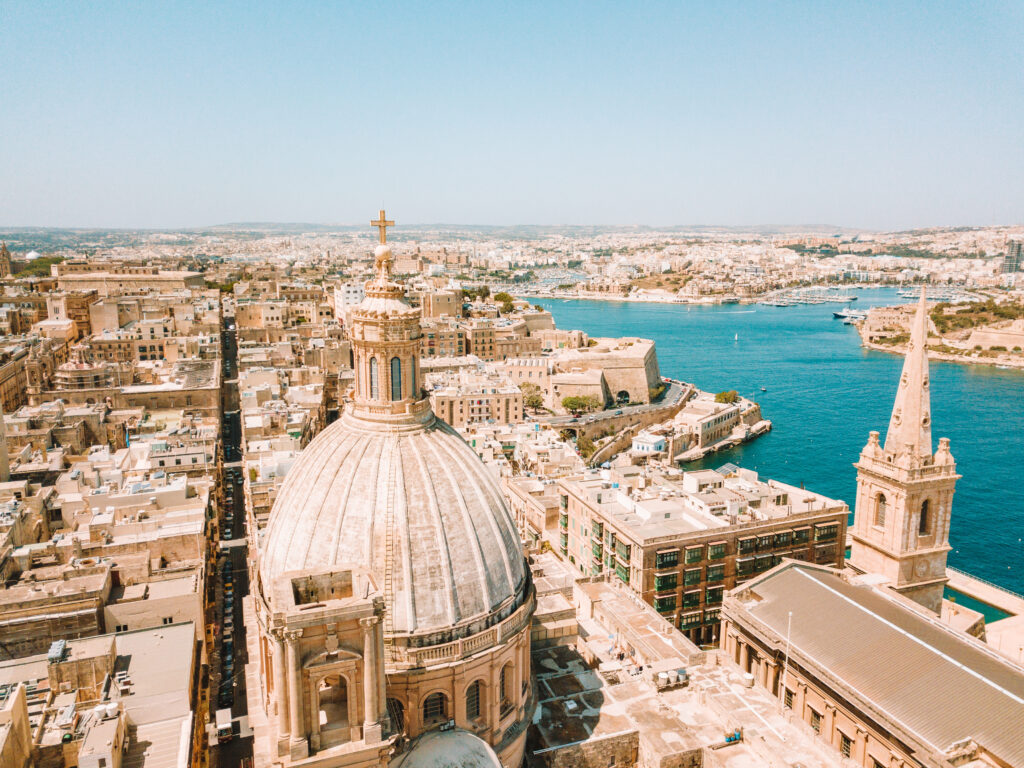
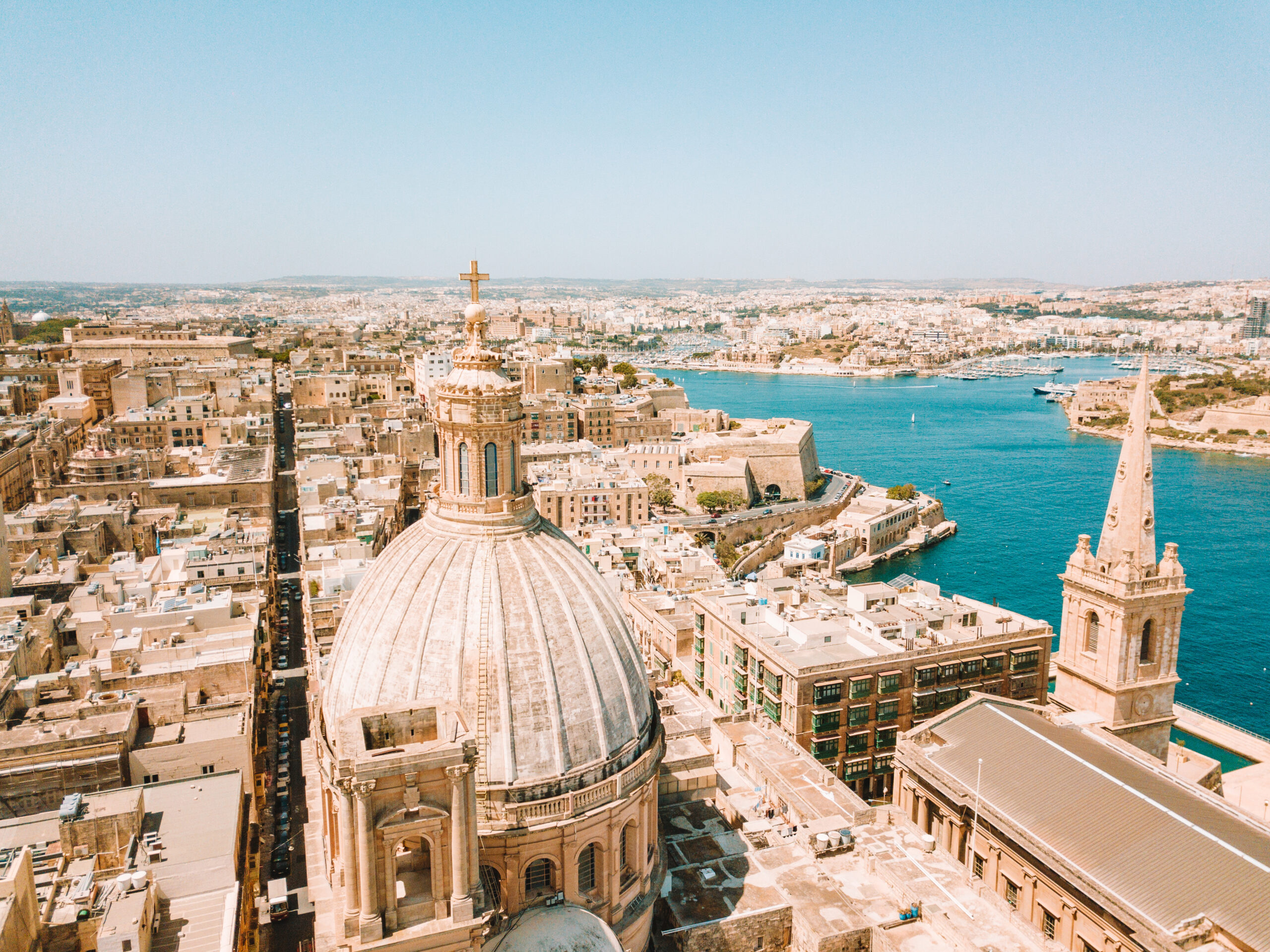
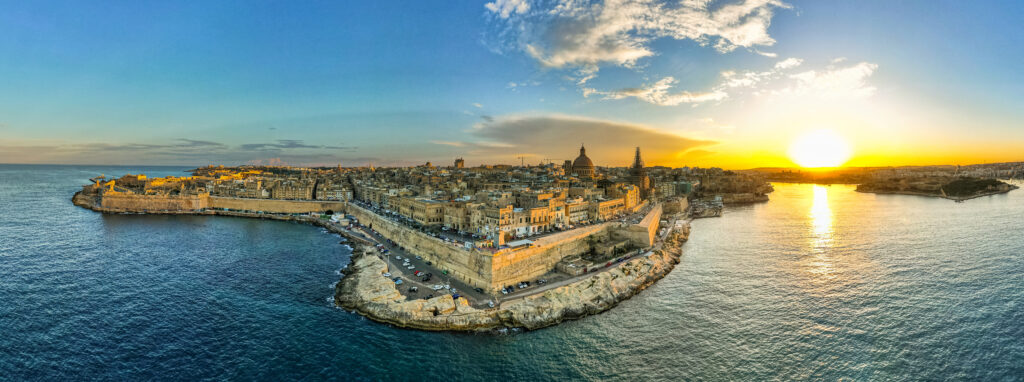
Valletta deserves at least a full day of exploration. Built entirely between 1566-1571 by the Knights of St. John, this fortified capital represents Renaissance city planning at its finest. Every street follows a grid pattern designed for defense and ventilation.
St. John’s Co-Cathedral stuns visitors into silence. The exterior appears austere, but stepping inside reveals one of Europe’s most spectacular baroque interiors. Gold leaf covers nearly every surface, intricate floor tombs honor fallen knights, and Caravaggio’s “The Beheading of Saint John the Baptist” hangs in the Oratory—considered by many his greatest work.
The Grand Master’s Palace served as the Knights’ headquarters and now houses Malta’s parliament. The State Rooms display Gobelin tapestries and frescoed ceilings, while the Palace Armoury contains one of the world’s finest collections of medieval and Renaissance armor.
Upper Barrakka Gardens offer the perfect spot to absorb Valletta’s grandeur. From these elevated gardens, panoramic views stretch across Grand Harbour to the Three Cities. Time your visit for noon to witness the saluting battery cannon fire—a tradition maintained since the Knights’ era.
Don’t miss the National Museum of Archaeology, which houses artifacts from Malta’s prehistoric temples, including the famous “Sleeping Lady” figurine and elaborate stone carvings that demonstrate the sophistication of Malta’s ancient inhabitants.
Just 30 minutes from Valletta, Mdina transports you to medieval Malta. Known as the “Silent City,” this fortified town served as Malta’s capital until the Knights arrived. Noble families still occupy some palazzos, maintaining traditions centuries old.
Walking Mdina’s narrow streets at sunset, when day-trippers depart and gas lamps flicker to life, creates an almost mystical atmosphere. The city’s honey-colored limestone glows amber in the evening light, and silence truly descends over the ancient streets.
Mdina Cathedral dominates the city’s central square. This Norman-baroque structure houses important artworks and a museum displaying illuminated manuscripts, silver treasures, and Dürer woodcuts. The cathedral’s marble floor incorporates tombstones of Maltese nobility and clergy spanning centuries.
Palazzo Falson offers a rare glimpse into aristocratic life. This medieval Norman house-museum displays collections spanning paintings, furniture, armor, and books accumulated by the last private owner, Captain Olof Gollcher.
Adjacent Rabat hides remarkable treasures beneath its streets. St. Paul’s Catacombs form an extensive early Christian burial complex—the largest and most important in Malta. These underground chambers reveal how Malta’s first Christians honored their dead and practiced their faith during Roman times.
Domus Romana preserves a wealthy Roman townhouse with stunning mosaic floors depicting mythological scenes. The adjacent museum displays Roman artifacts that illuminate daily life in ancient Melite (Roman Malta).
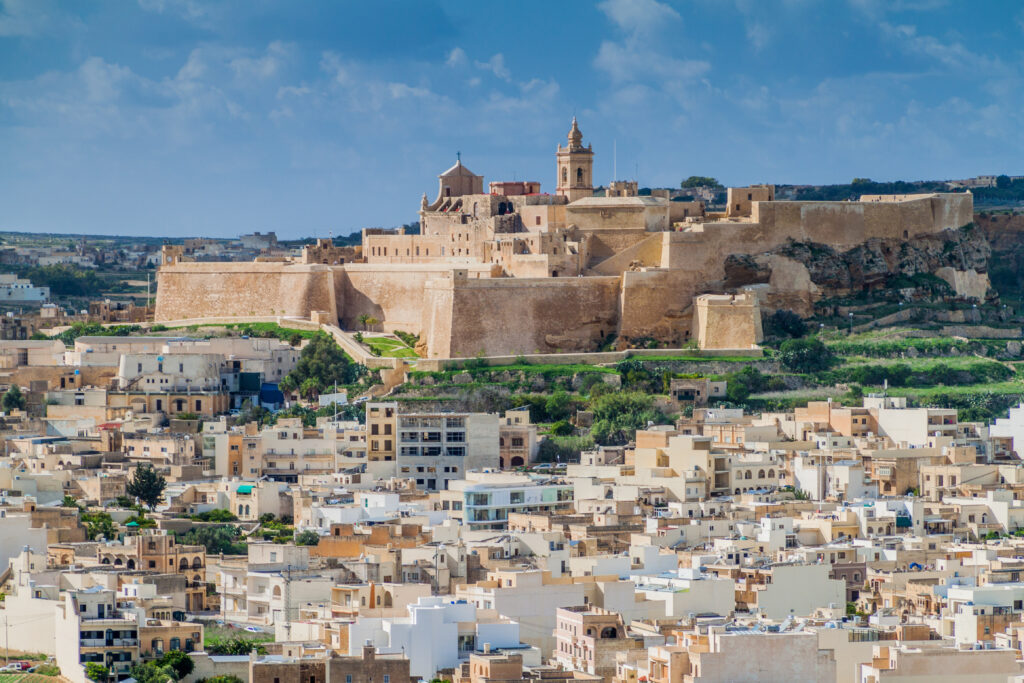
The ferry to Gozo departs from Ċirkewwa, and the 25-minute crossing offers beautiful views of both islands. Gozo moves at a slower pace than Malta, maintaining rural traditions and craft heritage.
Ġgantija, meaning “giant’s tower,” contains two temples built around 3600-3200 BCE. Standing before these massive limestone blocks—some weighing over 50 tons—inspires awe at prehistoric engineering capabilities. These temples predate the Egyptian pyramids by over 1,000 years.
Local legend claimed giants built these structures, the only explanation ancient Gozitans could imagine for moving such enormous stones. Modern archaeology reveals a sophisticated Neolithic culture that flourished here, creating some of humanity’s first monumental architecture.
Victoria’s Citadel (also called Ir-Rabat) crowns the island’s center. Fortified since Bronze Age times, the current structure dates mainly from medieval and Renaissance periods. Within the Citadel’s walls, you’ll find:
Walking the Citadel’s bastions at sunset provides 360-degree views across Gozo’s patchwork fields, village church domes, and the Mediterranean beyond.
Ta’ Pinu Basilica rises dramatically from Gozo’s countryside. This national shrine attracts pilgrims who believe the Virgin Mary appeared here in 1883. The basilica’s Romanesque-style architecture and peaceful setting make it worth visiting regardless of religious inclination.
Spring (March-May): Perfect weather for temple sites and countryside exploration. Wildflowers bloom across Malta. Easter processions offer authentic cultural experiences.
Autumn (September-November): Comfortable temperatures, golden light for photography, village festas in full swing, fewer crowds than summer.
Winter (December-February): Ideal for museum-focused visits. Christmas in Valletta is magical. Significantly fewer tourists at all sites.
Summer (June-August): Extended museum hours, outdoor cultural events, but very hot for extensive walking. Book accommodations well ahead.
Advance booking required: The Hypogeum accepts only 80 visitors daily and books up weeks ahead. Reserve online at Heritage Malta’s website.
Dress code: Churches require covered shoulders and knees. Carry a light scarf or shawl.
Church hours: Most parish churches close midday (roughly 12:00-16:00). Plan morning or late afternoon visits.
Combined tickets: Heritage Malta offers multi-site passes providing significant savings if visiting multiple museums.
Valletta on foot: The capital is compact and car-free in most areas. Comfortable walking shoes essential—streets are steep and paved with slippery limestone.
Language: Maltese and English are both official languages. All cultural sites provide English information.
Traveling to Malta for its cultural riches rewards curious minds and passionate hearts. This tiny archipelago contains civilizational layers rarely found so concentrated—from Stone Age temple builders to crusading knights to British colonial influence.
Malta doesn’t overwhelm with size or pace. Instead, it invites slow discovery, thoughtful observation, and genuine appreciation. Walk the same stone streets that knights in armor once patrolled. Stand in temples where prehistoric peoples gathered 5,500 years ago. Admire artwork created by masters whose names echo through art history.
The islands ask you to look closely, think deeply, and feel the weight of centuries beneath your feet. Whether you’re deciphering prehistoric carvings, tracing your fingers along baroque gold leaf, or simply watching sunset paint limestone amber, Malta offers profound connection with human heritage.
Every narrow street, every weathered stone, every ancient doorway invites you deeper into stories spanning millennia. This is traveling that enriches, educates, and transforms—cultural tourism at its most meaningful.
Ready to immerse yourself in Malta’s extraordinary cultural heritage? Explore our carefully crafted Malta itineraries designed for true cultural discovery.